
What This Guide Owns — and What It Does Not
This guide covers commercial evidence: what records typically matter, who owns them, how they sit on close-out and bond pathways, and how missing packs create valuation disputes. It is not a Building Control hold-point schedule.
For inspection stage sequencing on foundations and drainage, use Building Control inspection stages. Keep that lane separate from adoption evidence and contract QA packs described here.
Adoption process context lives on the S38 & S104 programme explained, drainage adoption process and adoptable roads explained. Bond cash-flow sits in infrastructure bonds and sureties.
Why Records Are a Commercial Asset
Valuations rely on measured evidence. Adoption and vesting rely on tests, CCTV, as-builts and inspection histories. Warranty and client handover rely on traceability. When records are thin, cash and liability stay open even if the site looks finished.
Missing records are a silent programme killer on infrastructure packages: a road or sewer can be physically complete yet blocked from bond reduction because the pack is incomplete or in the wrong format. Authority expectations vary — confirm local requirements rather than assuming a universal checklist.
Water sector adoption frameworks commonly emphasise design/construction guidance and staged inspections; undertaker processes may include maintenance periods before vesting. Treat timing as typical practice that varies by company — not as a single national stopwatch.
Evidence Pack Building Blocks
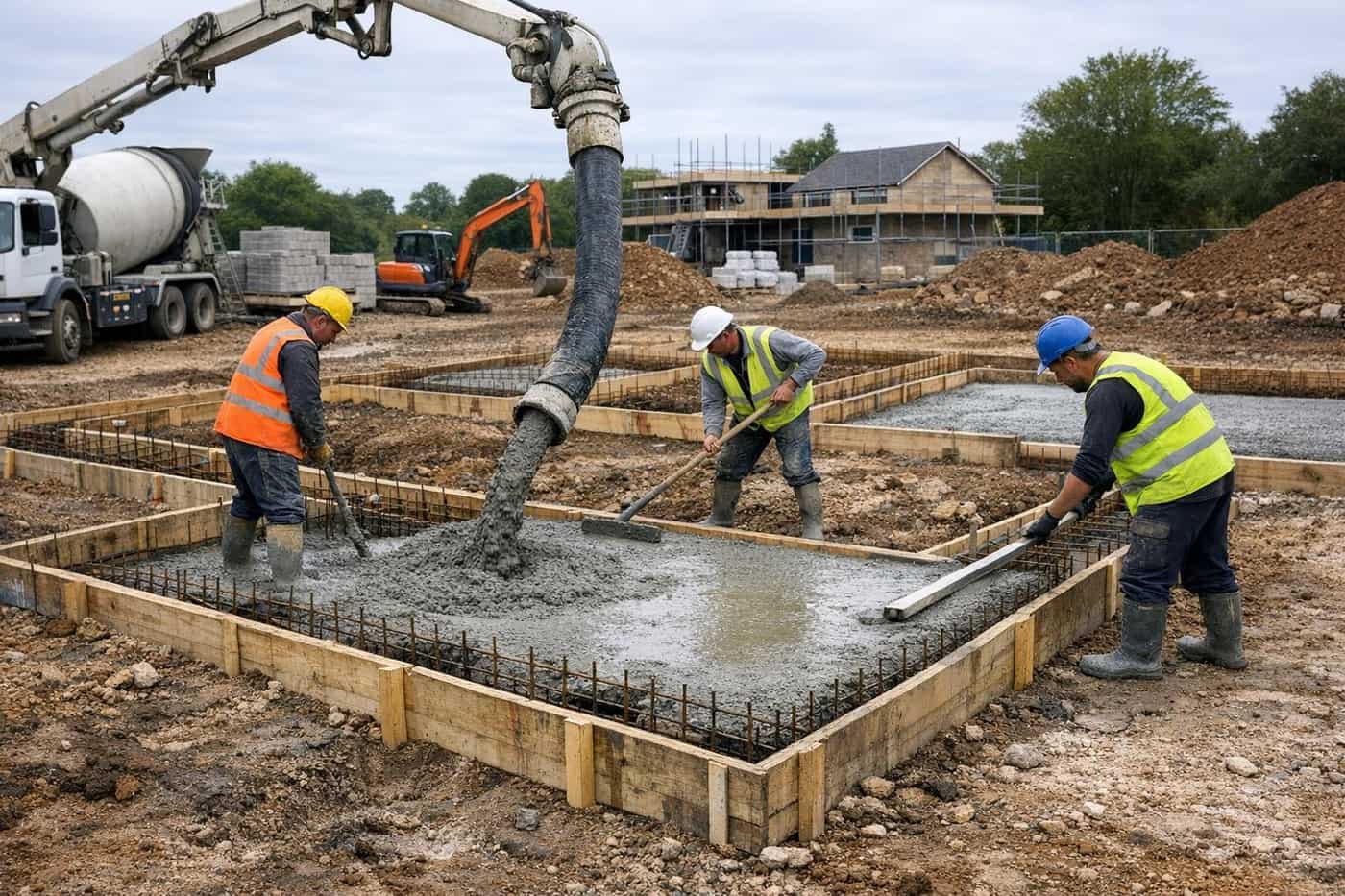
Photographs and dated notes for formation, reinforcement and connections before cover.
Material certificates and concrete tickets for traceability.
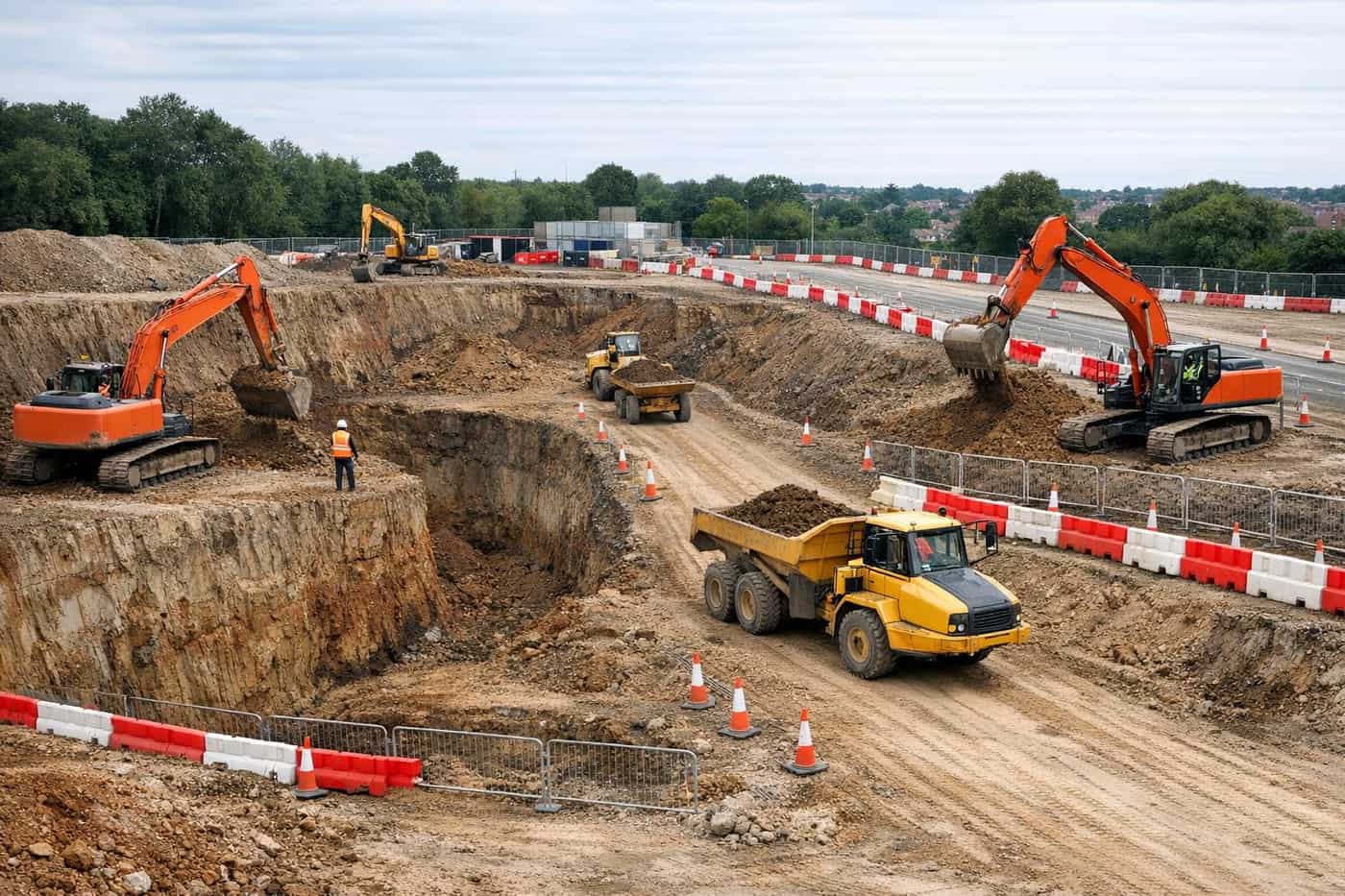
Compaction and materials tests for fill and pavement layers.
Piling logs and integrity tests where piles are used.
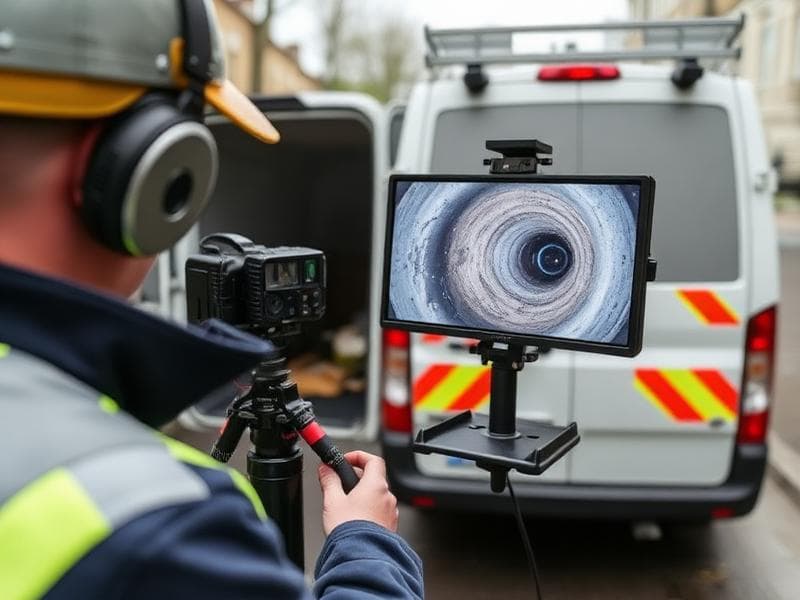
CCTV and sewer test records for adoptable drainage.
As-built drawings, manhole schedules and level information.
Defect and maintenance logs through any liability or maintenance period.
| Evidence type | Typical use | Often required by |
|---|---|---|
| Inspection photographs & dated notes | Formation, reinforcement, connections before cover | Contract QA / BC / client |
| Concrete tickets / material certificates | Traceability of poured works | Spec / BC / warranty pathways |
| Compaction / materials test results | Fill and pavement layers | Spec / highway adoption |
| Piling logs & integrity tests | Installation evidence for piled foundations | Designer / BC / contract |
| CCTV / sewer test records | Adoptable drainage integrity before vesting steps | Water company / S104 close-out |
| As-built drawings & schedules | Final geometry, manholes, levels | Adoption / client handover |
Adoption Evidence Versus Building Control Evidence
Building Control evidence supports compliance of building work against approved design and relevant requirements. Adoption evidence supports highway authority or water company acceptance of infrastructure offered for public maintenance.
They can overlap in time on a housing site, but they are not interchangeable. A BC foundation inspection does not vest a sewer. A CCTV pack does not replace a foundation notice.
Commercial teams should maintain separate trackers: BC hold points (see the BC stages guide) and adoption/close-out packs (this guide and the adoption flagships).
Record Ownership Matrix
Ambiguity about who produces, stores and submits records is how packs go missing. Developers and employer’s agents drive close-out commercially; designers confirm conformity; contractors produce site evidence; authorities receive adoption packs in their required format.
Write ownership into the contract and pre-start agenda. “Someone will sort as-builts later” is not an ownership model.
| Record set | Developer / EA | Designer | Contractor | Authority / undertaker |
|---|---|---|---|---|
| BC inspection notices & outcomes | Oversee programme gates | Design conformity queries | Raise notices; keep site evidence | Building Control body |
| Adoption inspection & test packs | Drive close-out & bond release | As-built / design conformity | Produce tests, CCTV, photos | Highway / water company |
| Valuation evidence | Certify / challenge measures | Clarify designed scope | Submit measured records | — |
| Defect / maintenance logs | Track liability period | Advise on remedial design | Close defects with evidence | May gate vesting |
Close-Out Critical Path
Close-out is often the last 5–10% of programme effort with disproportionate cash impact. Tests, CCTV, defect closure, as-builts and authority submissions need calendar time and named owners. Teams that demobilise records staff at “physical completion” discover that vesting is still a full workstream.
Sequence records with construction: photograph before cover; test when access exists; do not backfill arguments into a final scramble. Once formation is poured or trenches are closed, missing photos become expensive reconstructions or rejected packs.
Format discipline matters. Highway authorities and water companies often want information in prescribed structures and file types. A complete pack in the wrong format still fails the commercial test of “accepted.” Confirm preferences early and build the folder structure into the package, not into a Friday afternoon zip file.
On phased estates, close-out may be wave-based. Incomplete wave-one packs can block bond steps even while wave-three digs continue — coordinate with managing multiple plot programmes. Progress photos of later waves do not unlock security tied to earlier incomplete evidence.
Defect closure is part of the path, not a parallel nice-to-have. Maintenance-period issues that are logged without closure evidence keep liability and security conversations open. Keep the defect register live, dated and linked to remedial photos.
Valuation and Bond Interfaces
Interim valuations should reference measurable evidence. Disputes grow when claimed work cannot be shown. See payment applications and valuations.
Bond reduction and release often depend on inspection outcomes and complete information. Model records resource as part of prelims and package scope — cutting records in VE is a false economy (groundworks value engineering).
Retention release and adoption security are related but not identical cash stories — see retention in construction contracts alongside the bonds guide.
Hypothetical: Vesting Delayed by Thin Packs
A hypothetical 140-unit scheme completes roads and sewers physically. CCTV is partial, as-builts lag, and defect logs are informal. The water company and highway authority will not progress vesting steps. Bonds remain locked; the developer’s facility headroom tightens; sales teams wonder why “finished” streets are still a commercial problem.
Recovery means resourcing a close-out team — contractor, designer, records coordinator — to rebuild the pack to authority format, close defects with evidence, and only then chase vesting. Illustrative pattern, not a Mainline case study.
How Thin Records Create Commercial Disputes
When photographs, tickets and test sheets are missing, valuations become opinion contests. The contractor claims work; the QS cannot evidence it; payment slows; relationships sour while diggers have already moved to the next wave.
On adoption packages, thin records convert physical completion into a paper standstill. Bonds stay locked; facility headroom tightens; sales teams cannot understand why “finished” streets are still a funding problem. That is a records failure with cash consequences — see infrastructure bonds and sureties.
Building Control hold points generate their own evidence needs — notices, outcomes, photos before cover. Keep that lane on Building Control inspection stages. This guide owns the pack architecture across regimes, not the hold-point schedule itself.
Warranty and client handover pathways may request overlapping but not identical evidence. Build a requirements list per pathway at tender so the package prices the real close-out workload.
Resourcing Close-Out Like a Construction Activity
Close-out needs named people, calendar time and folder discipline. Demobilising records staff at “physical complete” is how vesting stalls. Retain a close-out capability until packs are accepted in the authority’s format.
Sequence evidence with the dig: photograph before cover; test while access exists; capture as-built geometry before layers disappear. Retrofitting evidence is expensive and sometimes impossible.
On multi-wave housebuilder sites, wave-one packs can gate bond steps while wave-three still digs. Progress photos of later waves do not unlock incomplete earlier evidence — coordinate with managing multiple plot programmes.
VE that cuts testing and records is usually a false economy. The “saving” reappears as remobilisation, standing time and prolonged security — see groundworks value engineering.
Common Mistakes
Treating records as admin after demobilisation.
Confusing BC attendance with adoption evidence.
No ownership matrix across packages.
Cutting CCTV/as-builts to win tender.
Submitting packs in the wrong format for the authority.
No defect log through maintenance periods.
Questions for Contractors and Commercial Teams
Who produces each record set, and where is it stored?
When are CCTV and as-builts scheduled relative to cover and surfacing?
What format does the adopting body require?
How do valuations evidence claimed work?
What records gate the next bond conversation?
Evidence Standards in the Tender and Pre-Start
List evidence requirements by package at tender so returns price the real close-out workload. Silent expectations produce under-resourced prelims and late arguments.
At pre-start, agree folder structures, naming, photo standards, and who submits packs to which authority. Format mismatches are a frequent vesting delay even when content exists.
Align valuation evidence standards with the QS before the first application. Measured work without agreed evidence rules becomes a monthly dispute ritual — payment applications and valuations.
Keep Building Control notice outcomes filed beside adoption packs but on separate trackers so neither regime is forgotten — Building Control inspection stages.
Records Control Checklist
1. Evidence requirements listed by package at tender.
2. Ownership matrix agreed at pre-start.
3. Photo/test discipline before cover.
4. Separate BC and adoption trackers.
5. As-built and CCTV milestones on the programme.
6. Defect logs live through maintenance/liability periods.
7. Valuation evidence standards agreed with the QS.
8. Bond/close-out resource retained until packs are accepted.
Related commercial services
Related infrastructure guides
- Building Control inspection stagesHold-point sequencing for foundations and drainage.Read guide
- S38 & S104 programmeAdoption programme where records gate vesting.Read guide
- Infrastructure bonds & suretiesSecurity release linked to close-out evidence.Read guide
- Drainage adoption processS104 process context for sewer evidence packs.Read guide
Frequently asked questions
Is this a Building Control inspection checklist?
No. Use the Building Control inspection stages guide for hold points. This guide covers evidence packs, ownership and close-out interfaces.
Who usually produces CCTV and as-builts?
Typically the contractor (sometimes via specialists), with designer input on as-built conformity. Confirm in the package — do not leave it oral.
Can missing records delay bond release?
Yes. Incomplete information is a common reason vesting and security release stall even when physical works look complete. Practice varies by authority.
Do warranty providers need the same pack as water companies?
Not necessarily. Warranty, BC and adoption bodies ask for different evidence. Maintain the sets that each pathway requires.
When should record milestones appear on the programme?
From the start of relevant works — not only at practical completion. Photograph and test windows disappear after cover.
Treat QA and inspection records as part of delivery. Own them, schedule them, and keep Building Control evidence separate from adoption packs — so valuations and vesting can actually complete.
Closing out records on a groundworks package?
Share your package split and adoption status and we can discuss how evidence packs typically need to be owned and scheduled — without confusing BC hold points with adoption close-out.