
What Is a Section 38 Agreement?
A Section 38 agreement is the legal mechanism used when a developer proposes to construct a new road that is intended to be adopted by the local highway authority and maintained at public expense. In practical terms, it covers estate roads, access roads, shared surfaces, footways, verges, lighting, and associated highway structures where the completed layout is expected to become part of the public highway network.
The highway authority will only adopt roads that meet its technical standards, so the design must be checked against local requirements for geometry, gradients, pavement layers, drainage, kerbs, visibility, and junction arrangements. That means the road construction package is not simply a matter of building to a planning drawing; it has to be built to an adoptable standard, with approvals obtained before or during the enabling works stage. Teams delivering Section 38 contractors packages need that standard baked into procurement, not added as a variation after award.
For a typical housing scheme, the S38 process starts with early discussions with the highway authority, then progresses through technical review, detailed design approval, bond arrangements, and inspection stages during construction. The agreement often includes an initial maintenance period, usually at least 12 months, during which the developer remains responsible for defects before final adoption. This is why many section 38 contractors are brought in alongside the civil engineer and employer's agent, because programme, quality, and compliance all have to align before handover.
A practical example is a 60-unit scheme where the spine road, turning heads, footways, and lighting are intended for adoption. The developer may need the S38 agreement in place before finishing the road construction, and the highway authority may require bonds, land dedication, and proof that the road is built to specification before it will take over maintenance. If the road layout is still changing after procurement, the contractor may have to reprice, resequence, or rework the package, which adds direct cost and programme risk. On Groundworks for Developers schemes, that repricing often lands in the same reporting period as plot-start delays, which is why commercial managers track adoption milestones as closely as civils output.
What Is a Section 104 Agreement?
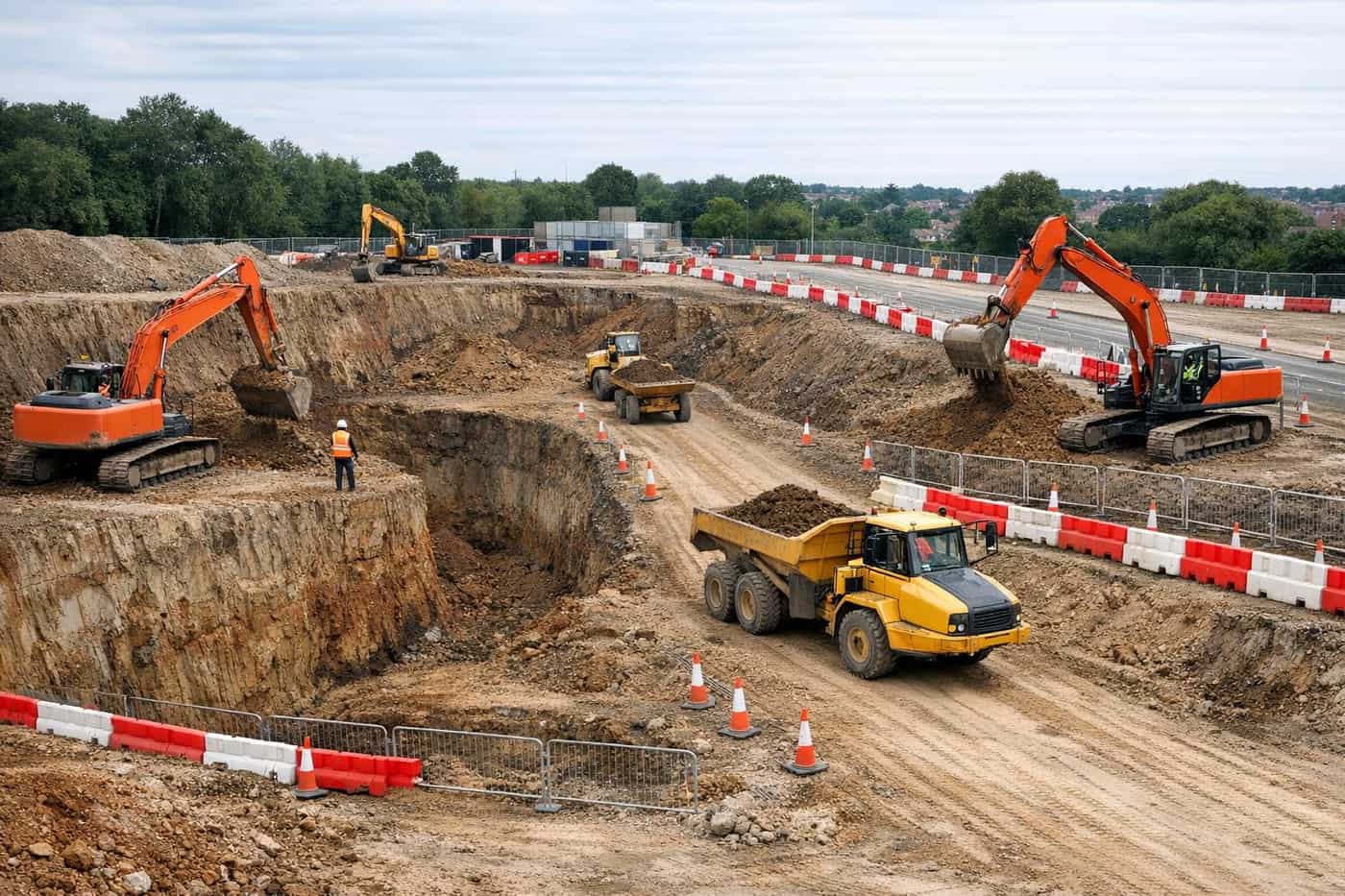
A Section 104 agreement is the legal route for adopting new sewers and pumping stations built as part of a development, with the sewerage undertaker agreeing to maintain the network once it has been completed to the required standard. It usually applies to adoptable foul sewers, surface water sewers, manholes, rising mains, and sometimes wastewater pumping assets, depending on the site drainage strategy.
The core principle is similar to S38: the developer designs and builds the asset, and the water company checks that the proposed network can be adopted once it has been constructed in line with the approved details. The water company will normally ask for technical information such as layouts, hydraulic calculations, longitudinal sections, manhole schedules, typical details, and a development programme before issuing technical approval or a formal agreement. On larger schemes, the sewer adoption process also needs to align with phasing, drainage strategy, and any early occupation strategy that depends on partial completion of the network. Section 104 contractors and Commercial Drainage Contractors are typically engaged where the wet infrastructure package is adoption-led rather than a simple private drainage install.
In practice, S104 can be more sensitive to design iterations than many teams expect. Drainage often has to respond to ground conditions, infiltration constraints, build levels, below-ground utility conflicts, pump requirements, and water company standards that may differ from what was assumed at planning stage. If the design changes after the groundworks contractor has started, the consequences can be substantial because manhole locations, gradients, attenuation interfaces, and outfall connections can all affect whether the system remains adoptable.
A simple example is a 120-home estate where foul and surface water are segregated and the surface water route includes attenuation before discharge. If the adoptable sewer network is not approved early enough, the developer may be forced to hold back road, plot drainage, or house completions because the wet infrastructure and service connections are not ready for sign-off. For commercial drainage contractors, the programme is therefore as important as the pipework itself—and for the developer's cash flow, delayed vesting can mean retention and bond exposure continues long after houses are physically complete.
S38 vs S104 Explained
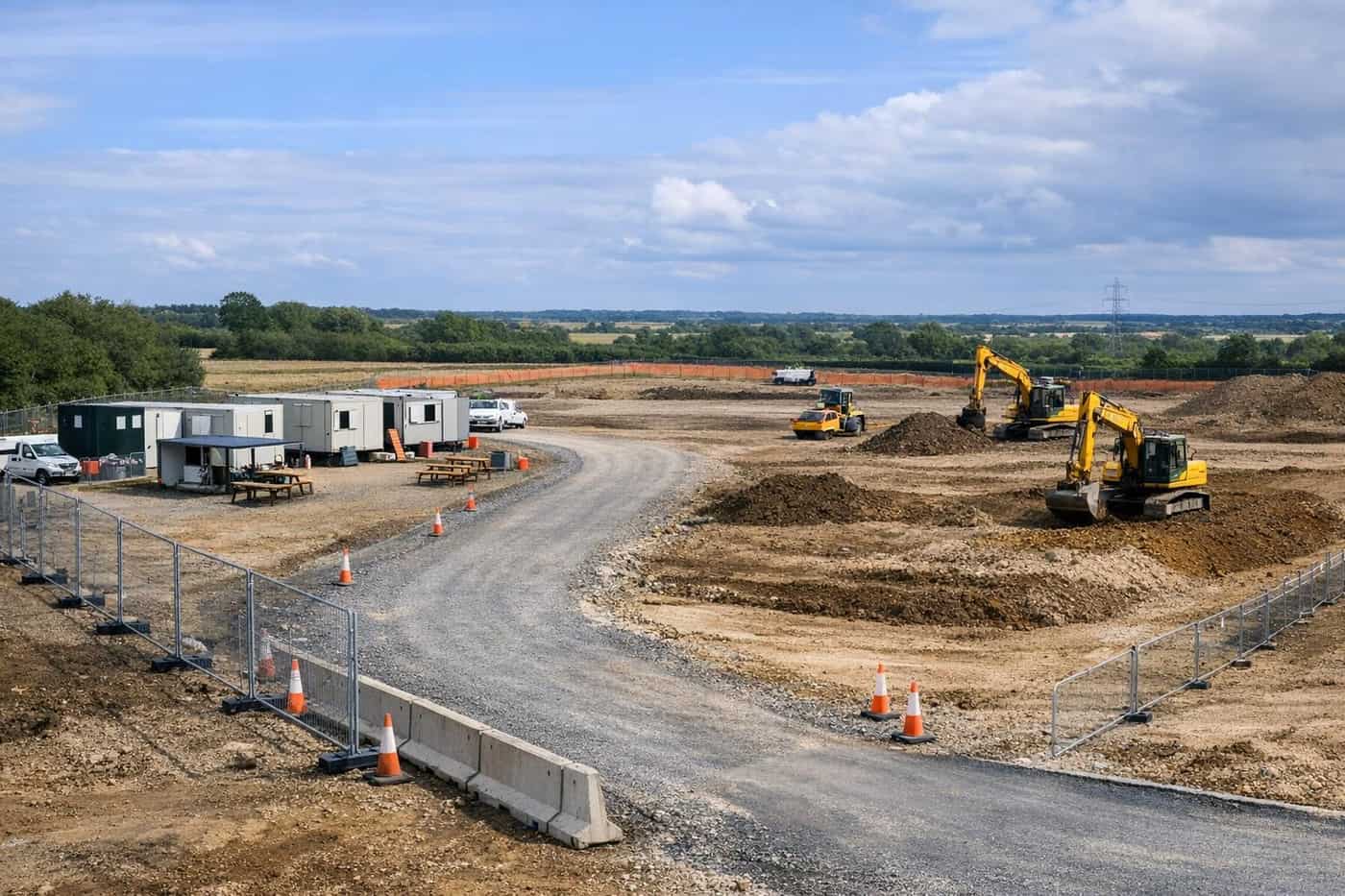
The simplest way to understand the difference is that S38 deals with roads and highway adoption, while S104 deals with sewers and drainage adoption. They are often bundled together on residential infrastructure projects because the same development road trenching, utility corridors, and levels strategy affect both packages.
For delivery teams, the most important commercial point is that neither agreement should be treated as a late-stage legal admin task. The design, procurement, and sequencing consequences begin at feasibility stage and continue through earthworks, drainage, and surfacing. If one package slips, the other can often be affected because levels, trenches, temporary access, and adoption inspections are closely linked. A Roads & Sewers delivery model only works when one team owns the interface between dry and wet infrastructure.
The table below compares all three agreement types developers most often encounter on housing and mixed-use schemes, including Section 278 where works tie into the existing highway network.
| Agreement | Governing legislation | Authority | Infrastructure | Typical trigger | Programme impact | Common delays |
|---|---|---|---|---|---|---|
| Section 38 | Highways Act 1980 | Local highway authority | New adoptable roads, footways, verges, lighting, highway structures | Estate roads and internal access intended for public maintenance | Road opening, plot access, surfacing, sales release, maintenance period | Design comments, bond issues, inspection failures, incomplete records |
| Section 104 | Water Industry Act 1991 | Water company / sewerage undertaker | Adoptable foul and surface water sewers, manholes, pumping assets | New drainage networks on residential or commercial development | Plot connections, attenuation, testing, phased occupation | Hydraulic redesign, utility clashes, failed testing, security/bond queries |
| Section 278 | Highways Act 1980 | Local highway authority | Works to existing public highway (junctions, signals, visibility, tie-ins) | New access, highway improvements, off-site connectivity | Site access, enabling works, tie-in before estate build | Highway authority backlog, traffic management, utility diversions on highway |
Why Developers Get Into Trouble With Adoption
Most adoption problems are not caused by a single failed inspection. They accumulate when the project treats S38, S104 and S278 as separate legal exercises that can be closed out near practical completion, rather than as a coordinated programme with the same commercial weight as plot production or superstructure.
Treating adoption as a legal exercise instead of a programme activity is the root issue. Legal agreements matter, but they do not build roads or test sewers. When the commercial team only engages highway and water company processes after the contractor is on site, the project often discovers that technical approval, bond wording, inspection call-offs and record requirements were never resourced. The result is a site that looks finished while the adoption critical path is still open—and funders, sales teams and QS valuations can all be affected.
Late contractor involvement is equally expensive. If Groundworks for Housebuilders or Groundworks for Main Contractors packages are procured on planning-level information, the winning price usually assumes adoptable standards that were not fully defined. When S38 or S104 comments arrive mid-build, the contractor rightly treats redesign, re-excavation and remobilisation as change. On a 90-unit scheme, a manhole reposition and road level adjustment can cost tens of thousands and burn two to three weeks—not because the contractor failed, but because adoption requirements were not frozen before award.
Utility coordination failures create some of the hardest commercial disputes. A sewer route approved on paper may conflict with telecoms, gas or power when trenches open. If utility diversions on the highway were not sequenced with Section 278 contractors works, the junction package can stall while the estate road cannot be completed to adoptable standard. Developers then face parallel delay costs: highway authority fees, contractor standing time, and sales release held back because access or drainage is not adoptable.
Drainage redesign after construction starts is a recurring S104 trigger. Ground investigation may show higher groundwater, a water company may reject infiltration, or attenuation volume may need to increase after planning. Each change can invalidate previously approved details. Commercially, that shows up as provisional sums turning into firm costs, extensions of time, and arguments about who owns the risk under the building contract. Early involvement from Commercial Groundworks Contractors who understand wet and dry packages together reduces that exposure.
Highway approval delays on S38 and S278 often sit outside the contractor's control but still hit the developer's cash flow. Authorities can be backlogged on technical review, bond approval or traffic management consents. If the master programme assumed eight weeks and the authority needs sixteen, site access, plot starts and infrastructure funding draws all shift. Developers who map authority lead times at acquisition—not at tender—make better decisions on phasing and sales.
Missing inspection records are a silent programme killer. A road base or sewer line can be built correctly but not adopted because test sheets, photos, CCTV, or as-built drawings were not submitted in the authority's format. Close-out then becomes a paper exercise that blocks bond reduction and vesting. Experienced roads and sewers contractors plan inspection windows and record packs as part of the package, not as an afterthought for the QS to chase at handover.
Bond issues can constrain headroom. Adoption bonds or sewer security tie up cash or facility lines. If the developer underestimated security requirements, or if defects during the maintenance period trigger bond calls, the commercial impact extends well beyond civils. Procurement teams should align bond milestones with tenders and contractor appointments so security, works and inspections are one story—not three.
The commercial lesson is blunt: adoption trouble usually means the programme was under-resourced early. Developers who appoint engineers, contractors and commercial managers to run S38, S104 and S278 as one infrastructure workstream—supported by Site Preparation Contractors and Foundation Contractors where ground conditions affect levels—typically finish faster with fewer surprises than teams who treat adoption as a sign-off task at the end.
Where Does Section 278 Fit Into The Programme?
Section 278 is different again because it deals with works to the existing public highway rather than adoption of newly built estate roads. It is commonly used for new access arrangements, junction upgrades, right-turn lanes, signal works, crossings, and other permanent modifications needed to make a development connect safely to the public road network.
In programme terms, S278 often sits at the front of the critical path because it can be needed before site access is fully established, especially where the permanent entrance, visibility splays, or highway tie-ins are part of the enabling works. The challenge is coordination: the access road may be under S278, the estate roads under S38, and the drainage under S104, while utility diversions or commuted-sum issues may sit alongside all three. That can create a package interface that needs a single, coherent programme rather than three disconnected submissions.
A common example is a scheme requiring a signalised junction on the existing highway, a new spine road into the site, and a sewer network that crosses beneath the new access road. The S278 package may need to be secured first to create site access, but the S38 road build cannot be completed until the utility ducts, drainage, and levels are coordinated, and the S104 drainage may need to be designed around the finished road formation. If these packages are procured separately without a lead coordinator, the risk of resequencing increases sharply.
There is also a practical handover issue. Some developers assume that if the road is physically complete, it can be used without further concern, but S278 works on the existing highway generally require strict compliance, approval, and bond arrangements before construction starts. A project team that understands the distinction between existing highway works and adoptable estate infrastructure will usually manage the interface more efficiently and avoid late commercial surprises.
How S38, S104 and S278 Interact On Real Projects
To understand how the agreements interact, it helps to walk through a realistic housing development—from site acquisition to final adoption—with commercial consequences visible at each stage. The example below is a phased 140-dwelling scheme on greenfield land with a new signalised junction on an A-road, internal adoptable roads, foul and surface water separation, on-site attenuation, and plot delivery over three years.
Site acquisition. At acquisition, the developer's due diligence should identify whether the scheme depends on new adoptable infrastructure, off-site highway works, pumping, or utility diversions. If sales and funding assume public adoption, the business plan should include authority lead times, bond costs, and contractor procurement for adoption-led packages—not just house build costs. Missing that step often understates cash required before first plot release.
Planning approval. Planning establishes access, road hierarchy, drainage strategy and phasing in principle. It rarely provides adoptable detail. Commercially, planning consent is not the same as infrastructure readiness. Developers should avoid treating planning as the green light for fixed-price civils if S38, S104 and S278 technical approvals are still open.
Highway access — S278. The signalised junction and tie-ins to the A-road are S278 works on the existing highway. Until access is approved and constructed, the site may rely on temporary arrangements that must not compromise final geometry. Delay here pushes everything: site preparation, earthworks, and the start of adoptable road construction. Principal contractors often hold the S278 interface, but the developer retains the commercial risk if bonds and authority approvals are late.
S278 junction works and estate road start. Junction civils may run while the first phase of estate roads is designed for S38. Levels set at the junction control the spine road gradient. If the S38 designer and S278 designer are not coordinated, the spine road may need redesign when junction levels are fixed—creating contractor change and QS exposure.
Estate roads — S38. Phase 1 adoptable roads, footways and lighting follow the approved S38 detail. Drainage trenches and service crossings must align with road build-up. Surfacing too early, before sewer inspection windows close, is a common commercial mistake: the contractor must reopen work, and the authority may refuse to progress adoption.
Sewer network — S104. Foul and surface water networks are built to approved gradients, with manholes, attenuation and testing. Plot connections depend on live sewers. If S104 testing fails, house connections and road adoption can stall even when superstructure is ready. Commercial managers should link plot release gates to wet infrastructure milestones, not only to building control.
Utilities. Gas, electric, telecoms and water services cross the S38 corridor and S104 routes. Clashes discovered late force redesign and can trigger highway or water company re-review. Utility delay is not always the groundworks contractor's fault, but the developer still carries programme and sales risk if occupation cannot proceed safely.
Plot delivery. House builders and main contractors deliver plots against a master programme. If adoptable roads are incomplete, maintenance liability remains with the developer. Sales teams may want to occupy roads before adoption; legally and technically that may be possible in some cases, but the commercial team must understand maintenance obligations and defect liability during the S38 maintenance period.
Final adoption. S38 vesting and S104 vesting require complete records, closed defects, and bond arrangements satisfied. The last 5–10% of infrastructure programme often takes disproportionate effort. Developers who resource close-out teams early—engineer, contractor, records coordinator—recover bonds faster and reduce ongoing liability.
Dependencies occur wherever levels, trenches, inspections and approvals cross. S278 unlocks access; S38 enables adoptable movement; S104 enables drainage compliance; utilities stitch through both. Procuring Commercial Groundworks Contractors or a dedicated Roads & Sewers team with adoption experience gives the developer one point of accountability on site, which is often cheaper than three siloed packages arguing over interfaces.
Typical S38 and S104 Programme Timeline
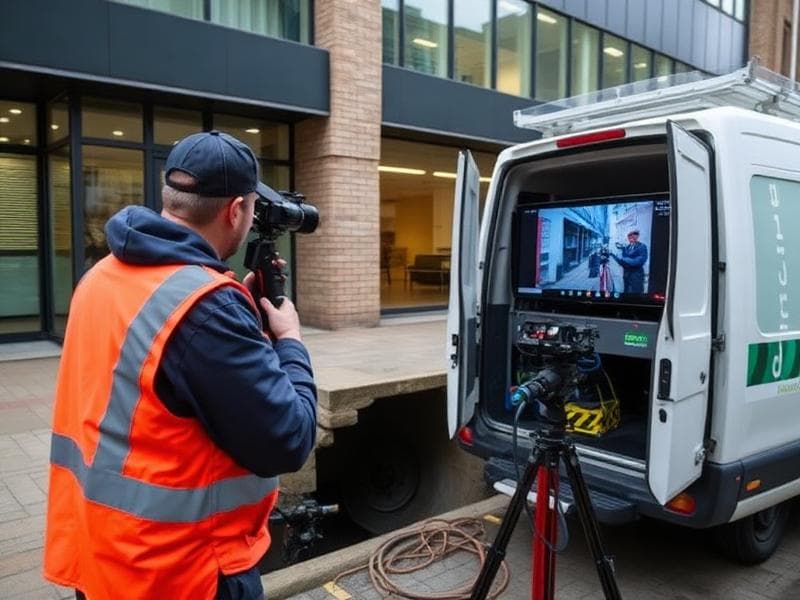
A realistic programme begins long before the first digger arrives on site. Land acquisition, planning, drainage strategy, and highway strategy should already be shaping the S38 and S104 approach because both authorities want to see technically coherent proposals before they will move toward adoption.
Land acquisition. At acquisition stage, the developer should already understand whether the site depends on new adoptable roads, utility diversions, attenuation, or off-site highway works, because these items affect cost, legal rights, and cash flow. If adoption is essential to the disposal or sales model, due diligence should test the likely approval route and the authority's acceptance criteria.
Planning approval. Planning often establishes the broad road hierarchy, access points, drainage strategy, and phasing, but it rarely gives enough detail for adoption. The planning layout may be acceptable in principle while still needing significant technical refinement to satisfy S38 and S104 requirements.
Civil engineering design. This is where the real programme is set. Highways and drainage design should be coordinated together because road levels, plot thresholds, private drives, and drainage falls all influence each other, and a change in one package can trigger revisions in the others.
Utility coordination. Utility corridors, diversions, and service crossing points should be locked down early. Many delays come from clashes between sewers, telecoms, gas, power, and the road construction build-up, especially where deep drainage or rising mains conflict with plot services or highway foundations.
S38 submission. The highway submission is usually prepared once the road geometry, materials, drainage interface, and dedication areas are stable enough for technical review. Early submission can help, but incomplete design information often leads to comments, resubmissions, and lost weeks.
S104 submission. The sewer submission should follow, or run in parallel, once the drainage strategy, capacity checks, and outfall arrangements are firm enough to support approval. Water companies generally want sufficient information to assess adoption viability before any construction starts, and some explicitly recommend waiting until the legal agreement is signed.
Technical approval. This is often the first major milestone that gives the procurement team confidence to let the works. However, technical approval alone does not always mean the works can start, because some authorities still require legal documents, bonds, or pre-commencement conditions to be completed first.
Groundworks procurement. This is where the market reality bites. If the contractor is not engaged early enough, the team may procure on incomplete information, leading to provisional sums, exclusions, or claims if the approved design later changes. Structured tenders and early contractor dialogue through our contractors procurement route reduce that risk.
Site preparation. Before the main road and drainage works, the site usually needs clearance, bulk earthworks, temporary access, working platforms, and setting out. If the approved S38/S104 designs depend on precise finished levels, any earthworks drift can create downstream adoption issues.
Drainage installation. The S104 network typically goes in early, often before road construction is fully complete, so that testing, inspection, and backfill can be managed in a controlled sequence. This stage is vulnerable to weather, groundwater, utility clashes, and inspection failures, all of which can have a disproportionate programme impact.
Road construction. Estate roads, kerbs, bases, and surfacing usually follow, but the exact sequence depends on the drainage strategy, service crossings, and any required temporary running surfaces. A phased scheme may need temporary road openings or haul routes that must be managed carefully to avoid damaging adoptable works.
Inspection stages. Highway and drainage inspectors will typically expect staged checks, and missed call-offs can cause idle time, resequencing, or re-excavation. This is where experienced roads and sewers contractors add value, because they know how to present work for inspection and close defects quickly.
Bond reduction. Some authorities will reduce or review bonds as stages are completed, but this depends on their process and whether the works meet the required standard. From a commercial viewpoint, bond retention affects headroom and can matter to both developer and contractor.
Final adoption. Final adoption is the close-out milestone, but it only arrives after defects are remedied, records are complete, and the authority is satisfied that the asset can be taken on. That is why the final 10 percent of the programme can consume a disproportionate amount of time if as-built information, testing, or certification is missing.
Typical durations vary widely, but a straightforward S38/S104 package on a small scheme may take months rather than weeks, while larger phased developments can run for several years from first submission to final vesting. The main commercial lesson is that adoption lead time should be built into the master programme from day one, not added at the end.
Typical Adoption Critical Path
The timeline above describes what happens. The critical path below describes what actually controls completion—and where commercial risk concentrates.
1. Planning approval. Planning unlocks the principle of development but rarely unlocks adoptable detail. Programme risk: starting civils tenders on planning drawings alone. Commercial consequence: tender returns with heavy qualifications, or post-award change when S38/S104 comments arrive.
2. Highway strategy. Agree S278 need, estate road layout and visibility with the highway authority early. Programme risk: late discovery that off-site works are larger than assumed. Commercial consequence: additional land, commuted sums, or delayed access that pushes phase 1 sales.
3. Drainage strategy. Confirm foul/surface separation, attenuation, outfall and pumping need with the water company. Programme risk: redesign if infiltration or capacity fails. Commercial consequence: larger storage, more land take, and delayed S104 approval.
4. Utility coordination. Lock diversions and crossings with providers before road/sewer build. Programme risk: clash when trenches open. Commercial consequence: standing time, redesign, and failed inspections that block next stages.
5. Technical approvals. Secure S38, S104 and S278 technical acceptance before treating design as fixed. Programme risk: construction starts on draft details. Commercial consequence: variations, claims, and idle teams.
6. Contractor procurement. Appoint adoption-experienced contractors with clear inspection and record obligations. Programme risk: award on lowest price without adoption scope. Commercial consequence: rework, late vesting, and bond retention beyond forecast.
7. Infrastructure works. Deliver S278 access, S104 networks, then S38 roads in a sequenced, inspectable way. Programme risk: surfacing over incomplete sewer inspection windows. Commercial consequence: reopening works, lost weeks, and sales delay.
8. Inspections. Call inspections at agreed hold points; do not assume sign-off by default. Programme risk: missed calls and remedial reopening. Commercial consequence: remobilisation cost and programme float lost.
9. Maintenance period. On S38, maintain adoptable roads through the authority's maintenance period with defect response. Programme risk: damage from follow-on trades and haul routes. Commercial consequence: extended liability and bond exposure.
10. Final adoption. Submit complete as-builts, tests, certificates and defect close-out. Programme risk: incomplete records. Commercial consequence: delayed bond release, ongoing liability, and funder/sales hold points.
On most schemes, steps 4–8 are where developers win or lose margin. Float eaten in utility coordination or inspections is rarely recovered later. Treating steps 6–8 as one integrated roads and sewers delivery scope—rather than fragmented subcontracts—usually protects programme and cost more effectively.
Who Is Responsible For Delivering The Programme?
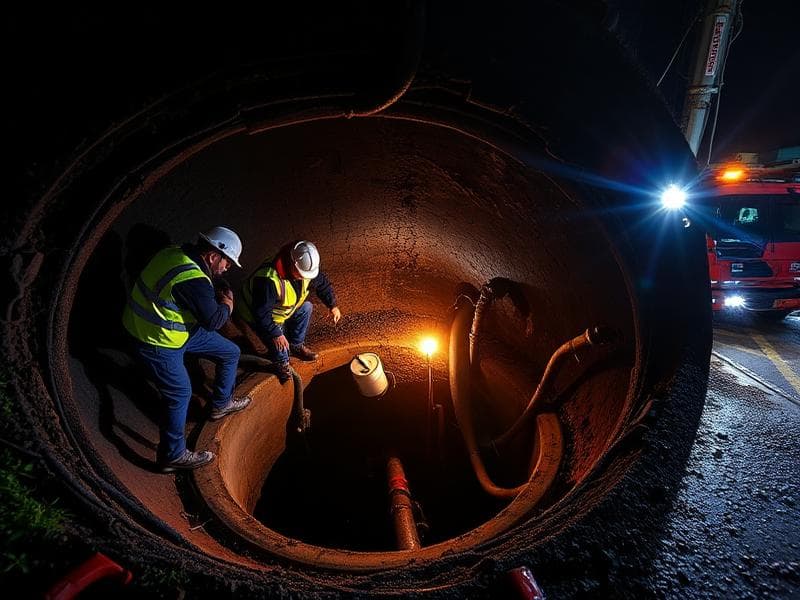
The developer is ultimately responsible for delivering the adoption strategy, appointing the right consultants and contractors, funding the works, and ensuring the legal agreements are progressed. On most schemes, the developer also carries the commercial risk if the project cannot be completed to adoptable standard, because sales, drawdowns, and practical completions may depend on it.
The principal contractor or employer's delivery team usually manages overall sequencing, site logistics, and coordination between infrastructure, plot works, and enabling packages. On development infrastructure schemes, the main contractor often has to protect adoption-critical works from damage by other trades, traffic, and temporary drainage arrangements.
The groundworks contractor or specialist roads and sewers contractor is usually responsible for buildability, quality of installation, testing, and presenting the works for inspection. This is one reason many clients engage section 38 contractors and section 104 contractors who understand adoption standards rather than purely earthworks output. The civil engineer prepares the technical design, resolves levels and drainage interfaces, and responds to authority comments. The highway authority and water company each review, inspect, and ultimately decide whether the assets meet their criteria for adoption.
Utility providers sit alongside that process because their apparatus can affect road formation, drainage alignments, and access timing. In practice, the programme succeeds when the commercial team treats all of these parties as part of one coordination exercise rather than separate approvals that can be dealt with independently. The matrix below summarises typical ownership by stage.
| Stage | Developer | Engineer | Contractor | Highway authority | Water company |
|---|---|---|---|---|---|
| Feasibility & acquisition | Commercial strategy, funding, adoption risk | Initial highway/drainage concept | Buildability & budget input (if appointed) | Policy & design guidance | Capacity & adoption policy |
| Planning & design | Appoint consultants, agree programme | S38/S104/S278 technical design | Sequence, temporary works, cost plan | Technical review | Technical approval |
| Legal agreements & bonds | Sign agreements, provide security | Respond to authority comments | Understand inspection obligations | Issue S38/S278 agreements | Issue S104 agreement |
| Construction | Fund works, manage interfaces | Site support, RFIs, revisions | Build, test, call inspections | Inspect highway works | Inspect drainage works |
| Maintenance & adoption | Defects liability, records, cash retention | As-built, certification | Remedial works, close-out packs | Maintenance period & vesting | Testing, vesting, adoption |
Common Causes Of Delay
Design revisions are one of the most common causes of slippage. A small change in road level, kerb line, manhole cover level, or sewer gradient can have knock-on effects across the entire package, and that becomes expensive when the project is already on site.
Utility clashes are another recurring problem. If the drainage designer and the civil engineer have not properly coordinated with service providers, the contractor may uncover conflicts during excavation that require redesign, extra excavation, or temporary works. Those changes can also affect inspections because an authority may not approve an asset until the approved details exactly match what is installed.
Poor drainage design is particularly costly. If the foul and surface water strategy is not robust, the team may face repeat submissions, storage redesign, pumping changes, or outfall constraints that delay both S104 approval and plot delivery. A commercial example is a scheme where the attenuation volume was under-designed; the result can be redesign, additional land take, and a new cost plan before the water company will proceed.
Failed inspections can also hold up the programme. A road base that is out of tolerance, a manhole that is not built correctly, or a missing record photo can delay the next stage even if the work is physically complete. In adoption-heavy schemes, that kind of avoidable failure often turns into idle labour and remobilisation costs.
Incomplete records are a frequent close-out issue. Authorities usually want drawings, test results, certificates, and as-built information before final adoption, and missing paperwork can be enough to stall the bond reduction or vesting process. Procurement delays, especially where materials or specialist subcontractors are ordered late, can also push adoption milestones beyond the original programme. Sequencing mistakes are common too; for example, surfacing over a drainage section before the inspection window closes can force re-exposure and wasted spend.
When Should Groundworks Contractors Become Involved?
Groundworks contractors should be involved as early as possible, ideally before technical design is frozen, because buildability input can save both time and money. On adoption-driven schemes, early contractor involvement helps the team test whether the proposed road build-up, drainage route, phasing, and inspection sequence are realistic on site.
That early input can improve cost planning as well. A contractor who understands adoptable standards can identify where design assumptions are likely to drive cost, such as deeper excavations, stronger pavement construction, attenuation complexity, or additional temporary works. This is especially important on Groundworks for Developers and Groundworks for Main Contractors packages, where a small design adjustment may have major commercial consequences.
Early involvement also improves procurement. If the contractor is appointed only after S38 and S104 approvals are almost complete, the project can still work, but the team loses the opportunity to coordinate access, phasing, long-lead materials, and inspection readiness from the outset. In practice, the best results usually come when civil engineers, commercial managers, and delivery teams review the adoption strategy together rather than in sequence—often through early engagement with Foundation Contractors and Site Preparation Contractors where levels and ground conditions affect the infrastructure design.
What Developers Should Ask Their Groundworks Contractor
Before appointing a civils or groundworks partner on an adoption-led scheme, commercial and technical teams should test whether the contractor has delivered S38, S104 and S278 interfaces—not just general earthworks volume.
- Previous S38 experience. Ask for examples of adoptable estate roads completed in the last 24 months, including authority name, maintenance period outcomes and any defect disputes. A contractor who only built private haul roads may struggle with highway inspection regimes.
- Previous S104 experience. Confirm experience with foul/surface separation, attenuation, testing, CCTV and manhole adoption standards for your water company. Ask how many S104 projects failed first inspection and why.
- Inspection management. Who calls inspections, at what hold points, and how much notice does the authority require? Weak inspection planning is a direct cause of programme float loss.
- Record keeping. Request a sample close-out pack (as-builts, test sheets, photos, certificates). If they cannot show one, assume your project will delay at vesting.
- Utility coordination. How do they manage clashes with gas, electric, telecoms and water services? Who leads resolution—them, the engineer, or the developer?
- Programme sequencing. Can they provide a phased sequence linking S278 access, S104 installs, S38 construction and plot handover? Compare their sequence to your sales plan.
- Adoption close-out. What resources do they keep on site after physical completion for defects, maintenance period repairs and record submission? Close-out should be priced and staffed, not assumed.
Developers comparing tenders through our contractors route should score these answers alongside price. The lowest tender without adoption delivery evidence often becomes the highest cost at vesting.
Related commercial services
Frequently asked questions
Can roads be used before S38 adoption?
Yes, roads can often be used before final S38 adoption if the authority allows it and the road is safe and suitably completed, but that does not mean the road has been adopted. The developer usually remains responsible during the maintenance period, and the authority may still require inspections, bonds, and defect rectification before vesting.
Can houses be occupied before adoption?
Yes, occupation can sometimes happen before final adoption, but only if the development has safe access, drainage capacity, and any required technical or legal conditions are satisfied. In practice, sales and handover teams should never assume occupation is possible simply because the road or drainage is physically in place, because authorities may still need sign-off on the adoption-critical works.
How long does S104 take?
The duration varies by scheme size, complexity, authority workload, and design quality, but it often takes months rather than weeks and can run much longer on phased or complex developments. Early information, accurate drainage design, and fast responses to comments usually shorten the process.
Who pays for adoption?
The developer normally pays for the design, construction, inspections, legal agreements, bond/security, and any remedial works needed to achieve adoption. The highway authority or water company generally takes over maintenance only after the works are complete and formally adopted.
Are bonds always required?
Bonds or security are very commonly required, but the exact arrangement depends on the authority and the form of agreement. From a commercial point of view, the important issue is to allow for some form of financial security in the programme and cash flow model.
What is an adoption bond?
An adoption bond (or similar surety) is financial security held to protect the highway authority or water company if the developer fails to complete adoptable works to the required standard. Commercially, it ties up headroom until vesting and may remain in play through the maintenance period if defects are not closed out.
What happens if roads are never adopted?
If roads are never adopted, the developer or management body may remain responsible for maintenance, repairs, liability, and access-related costs. That can create a long-term commercial burden and can also affect resident expectations, management company costs, and lender or funder concerns.
Can roads be partially adopted?
Partial adoption can be possible on phased schemes where the authority accepts stage handover, but each phase still needs approved details, inspections, records and often separate bond arrangements. Commercial teams should confirm phasing with the highway authority before promising sales release on later phases.
Can S38 and S104 run simultaneously?
Yes, they often should run simultaneously because the road and drainage designs are interdependent and the programmes are usually linked. Running them together helps avoid inconsistent levels, duplicated redesign, and delays caused by one authority waiting on the other package.
Can S104 be phased?
Yes. Larger schemes often phase S104 by plot block or stage, but each phase needs technical approval and agreement coverage. Phasing affects plot connections, testing and cash flow—coordinate phased S104 with S38 road stages and sales programme.
Is S278 always required?
No, S278 is only required where works affect the existing public highway, such as a new access, junction improvement, or highway alteration. A scheme with no works to the existing highway may need S38 and S104 only, but many developments require all three packages.
What is the difference between adoptable and private infrastructure?
Adoptable infrastructure is designed and constructed to the standards of the authority that will take responsibility for it, while private infrastructure remains the responsibility of the owner or management entity. The distinction matters because adoptable works tend to require more formal approvals, inspections, and close-out information.
Who maintains roads before adoption?
Before adoption, the developer (or their contractor under contract) typically maintains the road during construction and through the S38 maintenance period. Residents may use the road, but liability and defect repair usually remain with the developer until vesting.
What happens during the maintenance period?
During the S38 maintenance period, the developer must keep the road in a condition acceptable to the highway authority, remedy defects, and manage damage from traffic or other trades. Failure to do so can delay vesting and prolong bond exposure.
Why do adoption issues affect cash flow?
Because completion, sales release, practical handover, and retention recovery can all depend on adoption-critical works being finished and approved. If an authority withholds sign-off, the developer may have unreleased cash tied up in bonds, remedial works, or delayed completions.
Can utility delays affect adoption?
Yes. Utility diversions and service clashes can delay S278, S38 and S104 works, block inspections, and force redesign. Even when the groundworks contractor is not at fault, the developer carries programme and commercial risk if infrastructure milestones slip.
What records are usually needed at close-out?
Authorities commonly want as-built drawings, test results, inspection records, certificates, and evidence that defects have been closed. Missing documents are a common reason why final adoption takes longer than expected.
What records are required for final adoption?
Exact lists vary by authority and water company, but expect as-built surveys, compaction/test results, CCTV for sewers, manhole schedules, road construction records, photographic evidence, and maintenance-period defect logs. Submit in the authority's preferred format to avoid vesting delays.
How early should contractors be appointed?
Ideally before technical design is frozen and before tender pricing is treated as fixed. Early contractor input on S38, S104 and S278 sequencing, inspections and records typically reduces variations and protects programme on adoption-led schemes.
Why use specialist roads and sewers contractors?
Specialist roads and sewers contractors understand the sequencing, testing, authority expectations, and adoption standards that general civils packages can sometimes miss. That experience often reduces rework, inspection failure, and commercial exposure on adoption-heavy schemes.
S38 and S104 should be planned together because roads, sewers, levels, and access all interact on a live development site. When the programme is coordinated properly, the developer, contractor, and design team can sequence approvals, procurement, and inspections in a way that protects completion dates and reduces avoidable cost.
The strongest delivery outcomes usually come when groundworks and civils contractors are involved early, not after the design is fixed. Early buildability input helps identify clashes, improve sequencing, and reduce the risk that an apparently minor design change becomes a major adoption delay. For commercial teams, the real lesson is simple: treat roads and sewers adoption as a core programme workstream, not a close-out admin task.
If adoption is left too late, the project can still be physically complete but commercially unfinished. That is where bond issues, missing records, inspection failures, and conflicting authority requirements begin to affect occupation, cash flow, and final handover. Use this guide as the reference point for your Development Infrastructure programme—and align approvals, procurement and contractor appointments to the critical path set out above.
Planning roads, sewers or adoption on your site?
Speak to our commercial team about S38, S104 and S278 sequencing, contractor procurement and package delivery.