
What Value Engineering Means on Groundworks Packages
In UK commercial practice, value engineering is structured optioneering: challenging materials, methods, sequencing and specification to achieve required function at lower whole-cost or lower risk — without undermining design intent, safety duties or adoptability.
On groundworks, the “function” is rarely only a completed dig. It includes formation ready for structure, drainage that can be tested and adopted where required, roads that meet highway standards where adoption is intended, and a programme that unlocks plot starts and valuations.
Legitimate VE is collaborative and documented. False economy is silent risk transfer: exclusions, optimistic reuse, thinner temporary works, or adoptable details watered down without authority routes. Designers retain duties under CDM to eliminate or reduce foreseeable risks — VE that removes mitigation without redesign approval is a compliance and commercial problem, not a saving.
This guide does not clone early contractor involvement. ECI is a procurement timing tool that can enable VE early. VE is the optioneering discipline itself — whether before or after award.
Why Groundworks VE Goes Wrong
Groundworks costs are lumpy and interface-heavy. Cutting earthworks without a spoil strategy, or cutting drainage without checking hydraulics and adoption, simply moves cost into variations, standing time or failed inspections.
Adoption-led packages are especially sensitive. A cheaper pipe bedding, manhole detail or pavement build-up that fails highway or water company expectations can cost more in remobilisation than the “saving” ever delivered. Process context lives on the S38 & S104 programme explained; this guide focuses on commercial optioneering discipline.
Procurement timing amplifies error. Immature information produces cheap-looking returns that are not comparable. Competing VE ideas inside a single-stage lump sum without designer authority produces disputes, not value.
Legitimate VE Levers
Scope definition: clarify what is in the package versus employer-retained items. Legitimate VE removes duplicated scope or unnecessary provisional works — not silent omissions.
Cut/fill and disposal: ask whether designed reuse is evidenced. Classification, contamination and compaction criteria decide whether “reuse” is value or fiction.
Sequencing: reduce double-handling, protect inspection windows, and avoid opening adoptable works to haul damage. Sequence VE must respect site logistics planning.
Temporary works: right-size method to ground and access. Cheaper temporary works that fail are among the most expensive false economies on deep digs.
Drainage and highway detail: explore private versus adoptable boundaries, attenuation land-take and buildability — only with designer and, where relevant, adopting-body routes.
Specification: challenge over-specification relative to design intent, not the design intent itself.
Procurement timing: delay hard competition until information is mature, or use ECI to optioneer before freeze.
| VE lever | Legitimate question | False economy risk | Typical re-approval trigger |
|---|---|---|---|
| Scope definition | What must be in / out of the package? | Silent exclusions that return as variations | Employer’s requirements / contract scope change |
| Cut/fill & disposal | Can material be reused under the design? | Optimistic reuse without classification evidence | Designer / environmental sign-off where required |
| Sequencing | Does order reduce double-handling and standby? | Aggressive sequence that blocks inspections/adoption | Programme and inspection call-off plan |
| Temporary works | Right method for access and excavation safety? | Under-designed TW that fails and stops the dig | Temporary works designer where allocated |
| Drainage / highway detail | Private vs adoptable; build-up alternatives? | Spec that fails adoption or planning conditions | Designer + adopting authority / water company |
| Specification | Over-spec relative to design intent? | Changing spec without designer authority | Design team instruction |
| Procurement timing | Is information mature enough to compete? | Early lump-sum that prices unknowns as contingency | Commercial gate — delay tender or use ECI |
False Economy Scenarios
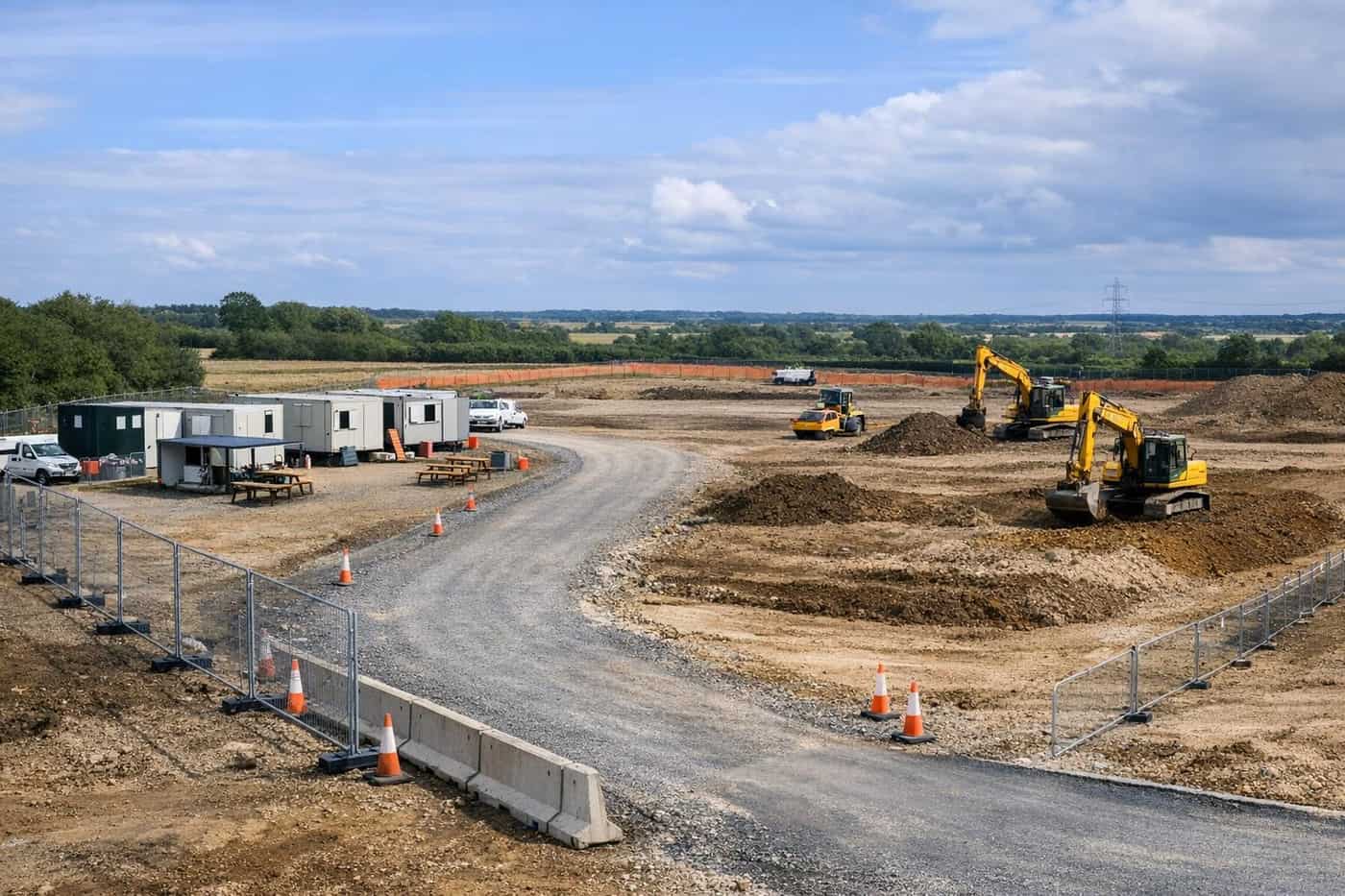
Scenario A — optimistic spoil reuse. A hypothetical 60-unit phase prices bulk reuse of arisings as structural fill without classification evidence. Mid-earthworks, material fails acceptance. Import and disposal arrive together; haul routes chew float; early plot platforms slip. The VE workshop “saving” becomes a prolongation cost.
Scenario B — thinner adoptable detail. A roads package substitutes a pavement build-up or bedding detail without highway authority acceptance. Inspection fails; remobilisation and bond exposure extend. Process risk belongs with adoption programmes — commercially it was a VE failure.
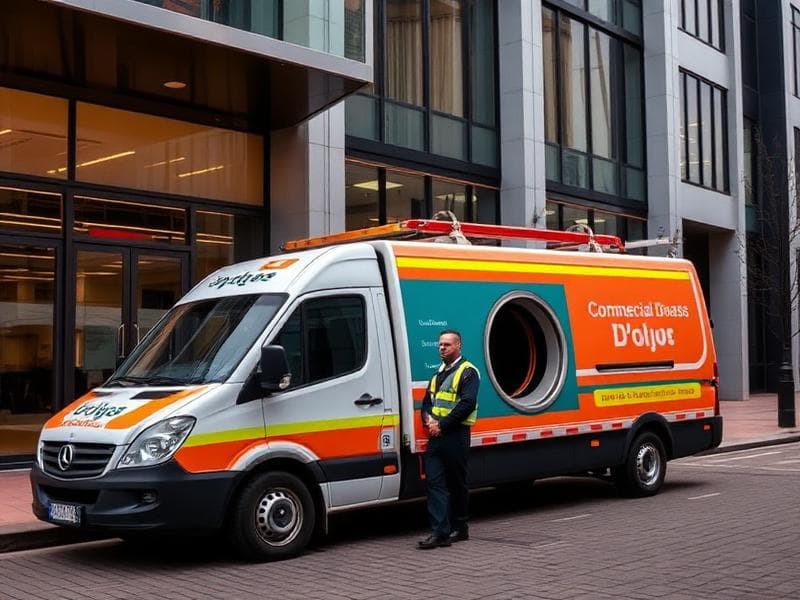
Scenario C — silent scope strip. Prelims and testing are cut to win. CCTV, as-builts or formation testing reappear as dayworks. Valuations argue while close-out stalls — see groundworks QA and inspection records.
Scenario D — temporary works skim. Deep drainage digs proceed with inadequate support. Stoppage, redesign and standing time erase the temporary works “saving” in a single week.
Designer and Adoption Re-Approval
Any VE that changes structural, geotechnical, highway or sewer design needs the right approval path before it is built. Contractor preference is not authority.
For adoptable assets, technical acceptance and agreement frameworks may need reassessment when details change after approval. Water company and highway authority processes vary; treat local practice as variable and confirm the route before instructing the change. Costing the delay of re-approval is part of VE appraisal — ignoring it falsifies the saving.
Keep a written instruction trail. Verbal “it’ll be fine” is how final accounts and vesting packs diverge from what was approved.
| Change type | Usually needs | If skipped… |
|---|---|---|
| Structural / foundation detail | Structural / geotechnical designer instruction | BC/warranty exposure; rebuild risk |
| Adoptable road or sewer detail | Designer + highway authority / water company route | Failed inspection; delayed vesting; bond drag |
| Temporary works method | Allocated TW designer / principal designer interfaces | Stoppage, incident risk, standing time |
| Scope exclusion to “save money” | Employer acceptance in writing | Variation war; incomplete asset at handover |
VE Versus Risk Dumping
Risk dumping looks like VE in a bid clarification: broader exclusions, narrower assumptions, provisional sums that will fire, or transfer of design decisions onto site staff. It can win on price and lose on outturn.
Test each proposed saving with three questions: Does function remain? Who holds residual risk? What approval is required before the change is real? If any answer is vague, it is not ready to book as value.
Contract form matters. NEC compensation events and JCT variations price change differently — see NEC vs JCT for groundworks, which covers how variations are valued. VE that relies on ambiguity in the contract is litigation deferred.
When ECI Enables Better VE
Early contractor involvement creates space to optioneer while design can still move — access, sequence, temporary works, drainage buildability, package splits. That is usually cheaper than VE after concrete is poured.
Do not confuse ECI with a post-award cost-cut workshop. Post-award VE still needs designer authority and change control. For ECI mechanics, use early contractor involvement. For housebuilder packaging, see groundworks procurement for housebuilders.
Hypothetical Workshop on a 120-Unit Scheme
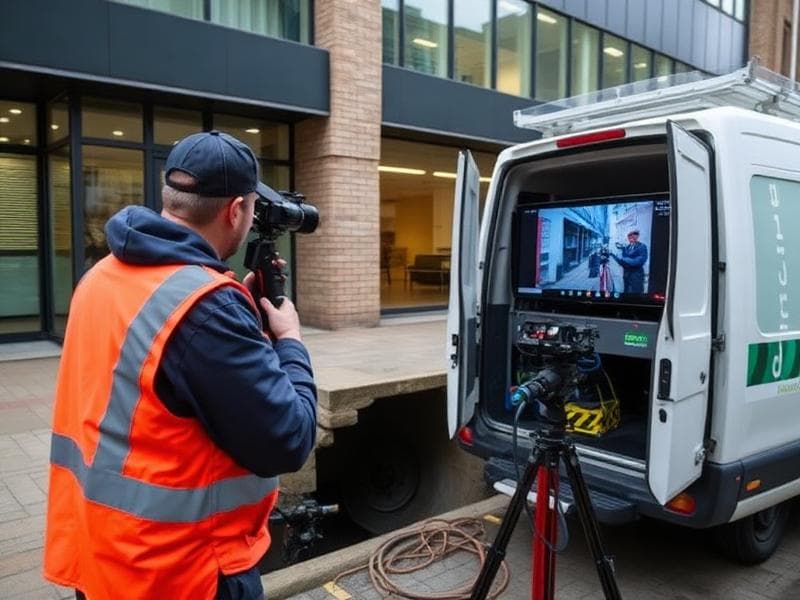
A hypothetical 120-unit housebuilder scheme runs a VE workshop after first-stage design. Options on the table: reduce attenuation footprint by changing SuDS type; reuse more cut as fill; omit a temporary haul road; thin road construction on a non-adoptable spur; defer CCTV to “later”.
Legitimate outcomes might include a designer-led SuDS alternative that still meets planning and adoption intent, a evidenced reuse strategy with testing gates, and a temporary haul road retained because omitting it damages adoptable formation. Rejected “savings” include thinning the adoptable spur without authority acceptance and deferring CCTV that the water company will require for vesting.
The commercial record of the workshop should show accepted options with approval owners and rejected options with reasons. That record protects the QS when outturn is compared to the VE log later.
Scoring VE Options Against Programme and Adoption
A VE log that only shows capital cost deltas is incomplete. Score each option against programme impact, inspection and adoption risk, residual exclusions, and approval lead time. An option that saves dig cost but adds eight weeks of authority re-approval is often a net loss on cash flow.
Adoption-sensitive changes — pavement build-ups, sewer details, attenuation type — need the re-approval path priced as part of the appraisal. Ignoring that path falsifies the saving and can damage bond release timing — see roads and sewers costs and the S38 & S104 programme explained.
Foundation and formation VE that changes structural assumptions needs designer instruction before it is booked. Site preference is not authority — link foundation design strategy.
Records and testing cuts deserve special scrutiny. Removing CCTV or formation tests to “save money” frequently reappears as close-out delay — groundworks QA and inspection records.
Governance: How to Keep VE Honest After Award
Post-award VE must travel through the contract’s change mechanism with designer and, where needed, authority sign-off. Informal “it’ll be fine” instructions create final-account and vesting gaps.
Maintain a live VE register: proposed, accepted with approval owner, rejected with reason, and implemented with instruction reference. Without the register, rejected ideas return as informal site practice.
Procurement timing remains a VE lever after award only in limited ways — you cannot un-compete a lump sum that was priced on immature information. That is why immature tenders are a false economy up front (tendering groundworks packages).
Where design can still move, ECI remains the cleaner path for optioneering — early contractor involvement.
Common Mistakes
Calling scope deletion “VE” without employer acceptance.
Changing adoptable details without authority routes.
Booking savings before designer instruction exists.
Cutting testing and records that sit on the close-out critical path.
Using VE to paper over immature tender information.
Ignoring programme and bond consequences in the VE appraisal.
Questions Contractors and Designers Should Expect
What function does this change preserve? Who signs it? What inspection or adoption consequence follows? How is the saving measured if the change fails and is reversed?
How does the change affect CDM risk profile? Has the principal designer / designer been engaged where duties apply?
Does the change alter package interfaces with roads and sewers, foundations or utilities?
Whole-Life and Outturn Thinking for Groundworks VE
Groundworks VE that ignores outturn — variations, standing time, remobilisation, bond drag — is accounting theatre. Score options on probable outturn, not only on the day-one bill.
Temporary works and logistics “savings” that fail under wet weather or neighbour constraints often cost more than they save within weeks — site logistics planning.
Drainage and highway detail changes that fail inspection create remobilisation cascades across plots and valuations. Keep adoption interfaces visible in the VE workshop agenda.
Document rejected options so they cannot re-enter as informal practice when the site is under time pressure.
VE Control Checklist
1. Function and performance requirements restated before options are scored.
2. Each option has a designer / authority approval owner or is marked employer-scope.
3. Residual risk and exclusions rewritten explicitly — not left oral.
4. Programme, inspection and adoption impacts included in the appraisal.
5. Testing and records impacts checked against close-out needs.
6. Accepted options issued as instructions before construction follows them.
7. Rejected options logged so they are not reintroduced as informal site practice.
8. Procurement timing reviewed — delay tender or use ECI if information is immature.
Related commercial services
Related infrastructure guides
- Early contractor involvementProcurement timing that enables early optioneering.Read guide
- Tendering groundworks packagesLike-for-like competition once information is mature.Read guide
- Roads & sewers costsCost centres and feasibility allowances — not process.Read guide
- S38 & S104 programmeAdoption programme context for infrastructure VE.Read guide
Frequently asked questions
Is value engineering the same as cutting the tender price?
No. Cutting price without preserving function and approvals is risk dumping. VE changes how required outcomes are delivered, with documented authority.
Can contractors propose VE after award?
Yes, through the contract’s change mechanism and designer approval. Informal site changes that affect design or adoptability are not VE.
How does VE relate to ECI?
ECI creates early collaboration space where VE is often most effective. VE is the optioneering method; ECI is one procurement route that enables it.
What if a VE idea affects S38 or S104 details?
Treat it as a design and authority interface issue. Confirm the re-approval route before booking the saving — adoption delay can erase the benefit.
Who should chair a VE workshop?
Typically the client’s commercial lead with the designer present. Contractor ideas are valuable; designer authority remains required for design changes.
Groundworks VE is disciplined optioneering with approval owners. If a saving cannot survive designer and adoption scrutiny, it is not value — it is deferred cost.
Reviewing options on a groundworks package?
Share drawings, GI and programme constraints and we can discuss where scope, method and sequencing changes typically protect value — and where they transfer risk blindly.