
Who This Guide Is For
This guide explains Early Contractor Involvement (ECI) for groundworks and infrastructure projects — when it adds commercial value, how it differs from single-stage procurement, and how to run Stage 1 without turning collaboration into an open-ended consultancy exercise.
Developers and land promoters need ECI when site unknowns, utility complexity or adoption sequencing could change viability. The question is not whether contractors have opinions; it is whether early input can still change design, programme or risk allocation materially.
Quantity surveyors need to compare ECI proposals on deliverables, risk transparency and conversion mechanics to Stage 2 — not only preconstruction fees. A low Stage 1 price from a shallow contractor can cost more at final account than a stronger partner with a higher initial fee.
Procurement managers must structure two-stage routes with clear Stage 1 scope, decision gates, competitive tension before construction commitment, and contract form that matches collaborative preconstruction — see NEC vs JCT for Groundworks Projects.
Project managers need ECI to produce programme logic, long-lead identification and interface maps between earthworks, utilities, adoption and follow-on packages — not workshop notes that never reach the master schedule.
Housebuilders use ECI where phased plot release, roads and sewers adoption and diversion programmes threaten sales timelines. Early sequencing input protects first occupations.
Main contractors and civils leads use ECI to surface haul constraints, temporary works, subcontract market capacity and inspection sequencing before design freeze makes change expensive.
This guide links to S38 and S104 Programme Explained, S278 Agreements Explained, Utility Diversions, Infrastructure Bonds, Ground Conditions, Groundworks Tendering, NEC vs JCT, Groundworks Costs, Roads & Sewers Contractors and Drainage Adoption where your scheme needs interface detail.
What Early Contractor Involvement Is
Early Contractor Involvement (ECI) is a procurement approach where a contractor is brought into a project before the design is fully fixed, so their construction expertise can shape the scheme while there is still flexibility. On groundworks and infrastructure schemes, that early input can materially improve buildability, reduce ground and utility risk, and create a more reliable programme and cost plan.
ECI is not just getting a contractor in early. It is a structured way of using contractor knowledge during feasibility, concept design, planning, and pre-construction. In UK practice, it is commonly associated with a two-stage process where Stage 1 covers design development, pricing, planning, and risk reduction, and Stage 2 covers construction once the scope and target price are agreed.
For groundworks and infrastructure, ECI is especially useful because many of the biggest project risks are hidden below ground or sit outside the red-line boundary of the main works package. Utility diversions, temporary works, drainage strategy, earthworks balance, road adoption standards, and ground conditions all benefit from practical contractor input before designs are locked.
Stage 1 should have defined outputs: buildability findings, investigation recommendations, utility sequencing, phasing logic, risk register updates and a pathway to target price. Without deliverables and decision dates, ECI drifts into informal advice that is hard to rely on at Stage 2 conversion.
| Stage 1 deliverable | What good looks like | Commercial value |
|---|---|---|
| Buildability review | Written findings with design change recommendations and programme impact | Avoids abortive construction and inefficient phasing |
| Ground risk review | GI gap analysis and targeted investigation proposals | More accurate risk allowance and fewer change orders |
| Utility coordination plan | Diversion sequence, protection strategy and critical path milestones | Prevents site-ready-on-paper but blocked-by-services reality |
| Roads and sewers phasing | Adoptable infrastructure sequence aligned with plot release | Protects sales, occupation and adoption milestones |
| Target cost / price plan | Open-book or transparent breakdown with risk register | Clearer distinction between scope change and unresolved uncertainty |

Single-Stage And Two-Stage Procurement
Single-stage procurement is the traditional route: the client develops the design to a sufficiently complete level, tenders the works, and appoints a contractor largely on price and programme. It can work well where the scope is clear, the site is low risk, and the design is unlikely to change.
Two-stage procurement is better suited to complex groundworks and infrastructure because it allows the client to appoint a contractor early on a preconstruction basis, then use that contractor to refine the design, programme, risk register, and target cost before construction starts. That gives the team more time to investigate ground conditions, coordinate utilities, and sequence roads and sewers in a realistic order.
A simple way to distinguish them is this: single-stage — design is mostly finished before tender; two-stage ECI — design is developed with contractor input before construction commitment.
| Factor | Single-stage procurement | Two-stage ECI |
|---|---|---|
| Design maturity at tender | Mostly finished before tender | Developed with contractor input before construction commitment |
| Ground and utility risk | Contractor prices assumptions at tender | Targeted investigation and coordination in Stage 1 |
| Buildability input | Limited — design largely fixed | Structured reviews while changes are still inexpensive |
| Price certainty | Competitive lump sum or schedule of rates | Target price developed from better information in Stage 1 |
| Best suited to | Low-risk, mature-scope packages | Complex groundworks, utilities, adoption and phasing |
Two-stage does not remove competition. Many employers run a competitive Stage 1 appointment, then convert to Stage 2 with a target price developed from open-book or transparent pricing principles. Others use negotiated ECI with a benchmark tender at Stage 2 gate. The Groundworks Tendering Guide covers bid list size, evaluation and award discipline for both routes.
ECI can sit inside design and build, management contracting or traditional routes with a preconstruction services agreement. The delivery model and the timing of contractor involvement are related but not identical.
Why Early Involvement Matters
The main advantage of ECI is that it converts contractor experience into better decisions while change is still inexpensive. Once a drainage layout, road level, retaining solution, or earthworks strategy is fixed, later changes are usually slower and more expensive.
On infrastructure projects, the contractor can flag items that designers may not see from drawings alone, such as access restrictions, haul road constraints, temporary stability issues, phasing clashes, or sequencing conflicts between utility diversions and bulk earthworks. That early warning can prevent redesign, claims, delays, and abortive work.
ECI also improves collaboration between developer, consultant, contractor, and key subcontractors. In practice, that usually means fewer assumptions, clearer allowances, and a more commercially credible delivery plan.
Commercially, ECI shifts risk discovery left on the timeline. Issues found at feasibility cost workshops and report updates. Issues found at first excavation cost claims, delay and lender questions.
ECI is not a substitute for competent design or adequate site investigation. It complements consultant design by testing constructability, logistics and market capacity against real site constraints.
Buildability Reviews
Buildability reviews are one of the most valuable outputs of ECI. They test whether the proposed design can actually be built safely, economically, and in the intended sequence with available plant, labour, and subcontract market capacity.
For groundworks, this can include reviewing cut-and-fill balance, excavation support, working platform design, trenching strategy, temporary drainage, spoil management, dewatering, and interface details at foundations, retaining structures, and service corridors. A contractor may identify that a technically acceptable design is inefficient in practice, or that a small design amendment could save weeks on site.
Buildability reviews are also useful for spotting procurement risks. For example, a road and sewer package might be perfectly designed on paper but impossible to phase efficiently if utilities, attenuation tanks, and plot infrastructure are not sequenced in the correct order.
A strong buildability review should be written, dated and action-tracked. Design responses should show accepted changes, rejected items with rationale, and programme impact. Without that discipline, reviews become site visits that do not change outcomes.
Reviews should involve operatives who will run the work — not only commercial managers. Sequencing insight from drainage gangs, earthworks supervisors and adoption-experienced agents is often where the value sits.
Ground Risk Reduction
Ground risk is one of the biggest reasons to use ECI on infrastructure schemes. Uncertain ground conditions can affect earthworks volumes, foundation design, drainage falls, service trench depths, temporary works, and even the selection of plant and construction methods.
With ECI, the contractor can help review existing site investigation data, identify gaps, and recommend targeted additional investigations before the design is frozen. That often leads to fewer surprises, a more accurate risk allowance, and a design that reflects how the ground will actually behave during excavation and construction.
This is particularly important where the site history is poor, there are made ground or contamination issues, groundwater is present, or the project involves basements, deep service runs, or complex retaining works. In those cases, contractor input can materially reduce the likelihood of change orders and delay.
Read Ground Conditions Explained alongside ECI planning — soil type, groundwater and made ground change earthworks methodology, disposal routes and dewatering strategy.
Stage 1 should agree who funds additional investigation, how results feed design change, and how residual ground risk is priced at Stage 2 conversion. Ambiguity here drives disputes when trial pits contradict tender assumptions.
Geotechnical and piling-led schemes often use contractor-led early input to refine foundation solutions, reduce overconservative assumptions, and address groundwater or difficult ground conditions before they cause delay on site. The same logic applies to earthworks and infrastructure packages where site-specific ground conditions materially affect the design.
Utility Coordination
Utility coordination is one of the clearest use cases for ECI in the UK. Diversions, protections, easements, wayleaves, and coordination with statutory undertakers can become critical path items long before a shovel hits the ground.
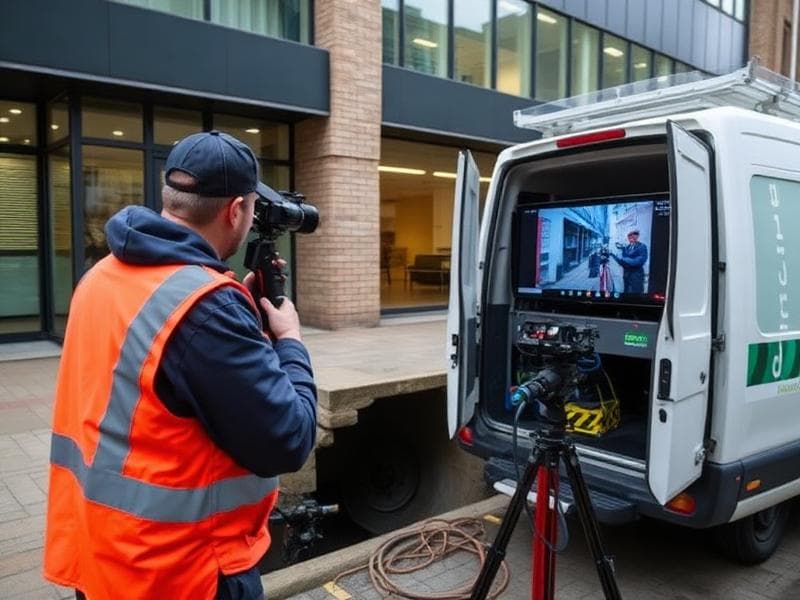
An early contractor can help map the likely sequence for enabling works, temporary diversions, permanent diversions, and service connections, and can identify where the design needs to protect existing assets rather than relocate them. They can also advise on practical access for utility teams, streetworks constraints, and the likely duration of outages or traffic management requirements.
This matters because utility strategy often drives the entire development programme. If the works are not coordinated early, a site can become effectively build-ready on paper but stalled in reality due to unresolved service constraints.
The Utility Diversions for Development Sites guide covers statutory undertakers, trial holes and programme interfaces — ECI should produce a sequenced utility plan that feeds that workstream, not duplicate it informally.
Where S278 works are needed for access or streetworks, utility coordination and highway agreement timing should appear on the same Stage 1 programme.
Roads And Sewers Planning
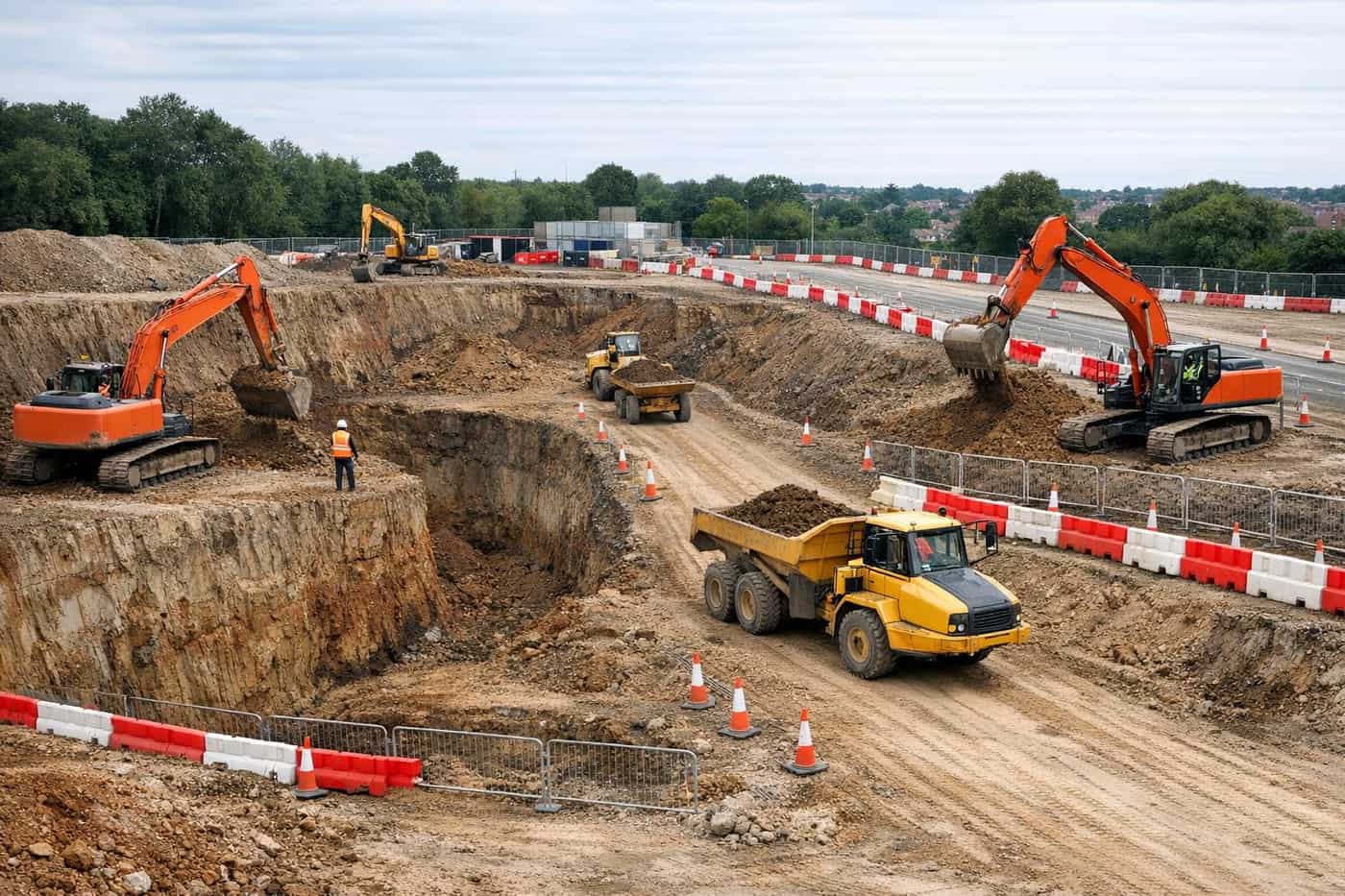
Roads and sewers packages are especially sensitive to sequencing because they interact with plot enabling, drainage adoptability, earthworks, temporary access, and completion milestones. ECI lets the contractor test whether the proposed phasing actually supports practical access for muck-away, materials deliveries, sewer installation, kerb upstands, and paving.
A contractor's input can also improve compliance with adoptable standards by highlighting issues such as levels, gradients, cover requirements, chambers, maintenance access, and the timing of utility crossings. On many schemes, the difference between a smooth road and sewer package and a problematic one is whether these details were reviewed before final design sign-off.
For developers, this can be decisive because roads and sewers often unlock plot sales, occupation, or sectional completions. Early planning here is not just a technical exercise; it is a commercial one.
Link ECI outputs to the S38 and S104 Programme Explained, Drainage Adoption Process and Roads & Sewers Contractors Guide so adoption milestones, bond timing and inspection windows are in the Stage 1 master programme.
Adoptable Roads Explained helps clarify S38 interfaces where carriageway drainage and estate geometry must be reconciled with sewer adoption.
Bond execution and legal agreement lead times belong in Stage 1 planning — see Infrastructure Bonds & Sureties for cash-flow impact.
Programme Optimisation
Programme gains are one of the strongest arguments for ECI. Early contractor input allows the team to build a more realistic sequence, identify long-lead items, and plan enabling works around actual constraints rather than idealised assumptions.
In groundworks, programme optimisation often comes from better sequencing rather than faster physical output. Examples include bringing forward utility surveys, splitting the site into workable zones, revising haul routes, or changing the order of earthworks, drainage, and road sub-bases to reduce rehandling.
That early planning can also make logistics easier. The contractor can advise when to order specialist materials, when labour peaks will occur, and where the market may be tight for subcontract packages such as deep drainage, piling, or retaining systems.
Stage 1 should produce a critical path schedule with float on undertaker and authority approvals — not only civils activities. Adoption and diversion milestones are often longer than excavation durations.
Programme logic should be tested against sectional completion and sales dates on housing schemes. ECI that optimises civils but ignores plot release achieves technical efficiency without commercial value.
Cost Certainty
ECI does not remove cost risk, but it usually improves cost certainty. Instead of tendering a heavily assumed scheme and discovering problems after award, the client and contractor can work together to develop a target price based on better information and a clearer sequence.
For the commercial team, that means fewer provisional assumptions and a better understanding of where risk sits. It also makes it easier to distinguish genuine scope change from design uncertainty that should have been resolved earlier.
The cost benefit is strongest where the contractor's knowledge helps avoid overdesign, unnecessary temporary works, duplicate mobilisations, or inefficient phasing. In some cases, ECI can also support value engineering without sacrificing quality or compliance.
Use groundworks pricing calculator to sense-check earthworks, disposal, dewatering and preliminaries as Stage 1 target costs develop — civils envelopes often move more than specialist product supply.
QS teams should maintain a live risk register through Stage 1 with priced contingencies, owner per risk, and retirement criteria. Target price conversion to Stage 2 should show what uncertainty was resolved versus what remains employer or contractor risk.
ECI can save money, especially where early input avoids overdesign, redesign, poor sequencing, or unresolved ground and utility risk. The biggest savings usually come from fewer surprises rather than from headline rate reductions.
Tender Strategy For ECI
ECI changes the tender strategy because the goal is not simply to compare the cheapest compliant offer. Instead, the client is usually selecting a contractor on capability, relevant experience, collaborative behaviour, and the ability to support preconstruction development.
That means the tender should assess more than price. A strong ECI tender may include questions on groundworks methodology, utility coordination experience, temporary works approach, supply chain relationships, programme logic, and how the contractor will support design development and risk management.
For developers and quantity surveyors, this is important because a low initial fee can be misleading if the contractor lacks the technical depth to improve the design during Stage 1. The cheapest preconstruction proposal may not produce the best final outcome.
The Groundworks Tendering Guide supports evaluation criteria, tender interviews and normalisation of returns — apply the same commercial rigour to Stage 1 as to construction tender.
Stage 1 tender should define deliverables, meeting cadence, information dependencies from the employer and consultant, and the commercial mechanism for Stage 2 conversion — including what happens if parties cannot agree target price.
Interview contractors on recent adoption, diversion and ground-risk projects — not generic company turnover. ECI value is sector and site-type specific.
NEC And JCT In ECI Routes
ECI is most naturally aligned with NEC-style collaborative procurement, especially where the client wants early contractor input, open-book pricing, and active risk management through a two-stage process. HS2 guidance describes ECI as an integrated contractor and designer team appointed under an incentivised two-stage contract, which reflects that collaborative model.
JCT can still be used on projects where early contractor input is needed, but the contractual structure is often less suited to the same level of integrated preconstruction collaboration. In practice, that means the team needs to be careful about how preconstruction services, design responsibility, pricing, and any later construction commitment are documented.
For groundworks projects, the key commercial issue is who carries the risk for information developed during Stage 1. If the contract does not clearly define what is preliminary advice, what becomes contractual design, and how changes are priced, disputes can arise later over reliance and responsibility.
Read NEC vs JCT for Groundworks Projects for how each form allocates programme delay, ground risk and compensation events — ECI amplifies the importance of getting that allocation right at appointment.
Stage 1 agreements should state intellectual property, reliance limits, exclusivity, conversion mechanics and termination costs. JCT preconstruction services contracts need explicit bridges to the construction contract form and scope.
Early warning and risk meeting disciplines under NEC suit ECI if the employer uses them actively. A collaborative contract used passively does not deliver ECI benefits.
Common Commercial Mistakes
A common mistake is treating ECI as a soft collaboration exercise without clear deliverables. If Stage 1 does not have a defined scope, review points, and decision timetable, it becomes difficult to turn contractor input into actual programme and cost benefit.
Another mistake is bringing the contractor in too late, after the main design choices have already been made. At that point the exercise may still improve sequencing and procurement, but many of the real buildability and ground-risk benefits have already been lost.
A third mistake is failing to involve the right specialists. On infrastructure schemes, it is not enough to involve a generalist main contractor if the real risks sit in ground engineering, utilities, adoptable roads, drainage, or temporary works.
Other failures include: no competitive check before Stage 2 conversion; Stage 1 fees without measurable outputs; consultant and contractor running parallel advice without integration; and assuming ECI removes the need for adequate GI or utility records.
Large UK infrastructure projects have used ECI to improve planning, risk management, and construction readiness. The practical lesson from these examples is consistent: the earlier the contractor sees the risk, the cheaper and easier it is to manage.
Even in less complex development projects, ECI can add value when utility diversions or road and sewer phasing threaten the programme.
Developer Decision Framework
A developer should consider ECI when the site has meaningful unknowns, the programme is tight, or the infrastructure package is likely to drive overall scheme success. That usually includes brownfield redevelopment, sites with utility complexity, constrained urban plots, contaminated ground, or schemes where roads and sewers must unlock phased completions.
| Route | When to use | Commercial signal |
|---|---|---|
| Single-stage procurement | Design mature, site risk low, package straightforward | Comparable tender returns are achievable without preconstruction |
| ECI / early involvement | Ground, utilities, phasing or temporary works likely to change build strategy | Contractor knowledge can materially change design, programme or risk profile |
| Two-stage route | Need contractor input before final price, but still want commercial check before construction | Stage 1 reduces risk; Stage 2 converts to construction sum with clearer scope |
| Avoid ECI | Project too small to justify preconstruction effort, or design already fixed | Little value left to unlock from early contractor input |
For commercial teams, the practical test is simple: if early contractor knowledge can change the design, programme, or risk profile in a meaningful way, ECI is probably worth considering. If not, traditional procurement may be more efficient.
Use single-stage procurement when the design is mature, the site risk is low, and the package is straightforward. Use ECI when ground conditions, utilities, phasing, or temporary works are likely to change the build strategy. Use a two-stage route when you need contractor input before pricing is final, but still want a competitive commercial check before construction. Avoid ECI only when the project is too small to justify the extra preconstruction effort or when the design is already fixed and there is little value left to unlock.
Developer Checklist Before Appointing ECI
Use this checklist before issuing a Stage 1 tender or negotiating an early contractor appointment.
Related project scenarios
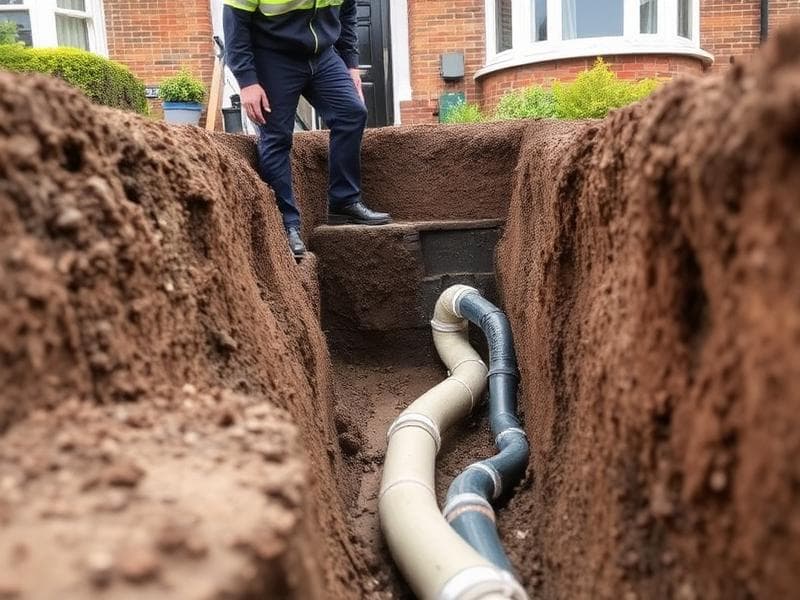
Phased housing development
Estate roads, adoptable drainage and phased plot infrastructure where S104 approval and utility diversions threatened first plot handover.
Procurement challenge: Single-stage tender returns varied by 40% because bidders assumed different utility and adoption timelines. Design was largely fixed but sequencing was untested.
Commercial outcome: Programme: Stage 1 ECI resequenced drainage before carriageway formation and aligned S104 milestones with plot release — recovered four weeks on phase one. Cost: target price replaced lump-sum guesswork; ground and utility risk allowances explicit. Procurement: two-stage appointment with defined Stage 1 deliverables before construction conversion. Delivery: fewer post-award variations on inspection and diversion scope.
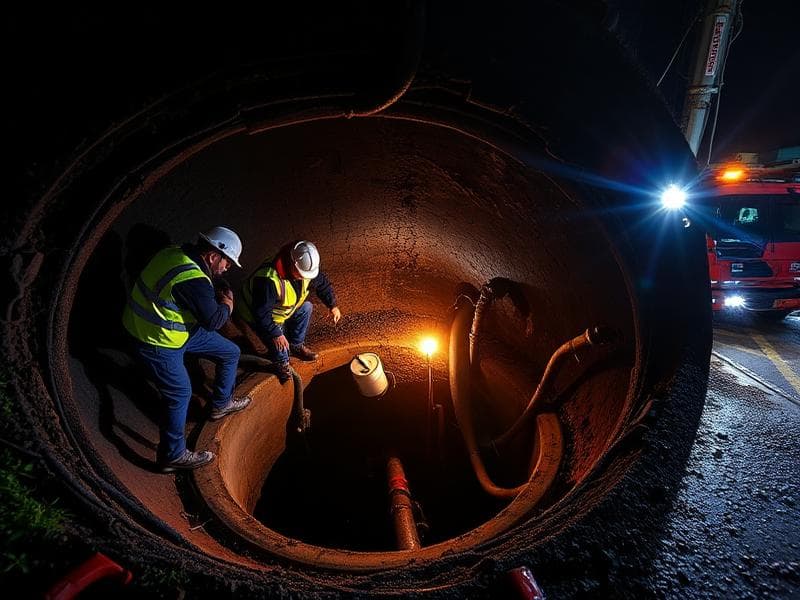
Urban commercial redevelopment
Constrained brownfield plot with deep drainage, S278 access works, statutory utility diversions and basement excavation interfaces.
Procurement challenge: Design team proposed a technically compliant drainage and earthworks strategy that was inefficient to phase with live service corridors and limited haul routes.
Commercial outcome: Programme: ECI buildability review split the site into workable zones and brought utility surveys forward — avoided a six-week stall at mobilisation. Cost: value-engineered temporary works and haul route saved measurable preliminaries versus the single-stage tender baseline. Procurement: NEC two-stage with open-book Stage 1 pricing. Delivery: contractor-led utility coordination plan became the master programme backbone.

Infrastructure-led enabling works
Major earthworks, deep service runs, retaining interfaces and adoptable network tie-ins ahead of follow-on building packages.
Procurement challenge: Site investigation was incomplete at single-stage tender. Bidders loaded widely different ground risk contingencies; the employer could not compare returns commercially.
Commercial outcome: Programme: Stage 1 targeted additional GI and dewatering trials before design freeze — reduced discovery risk at first deep excavation. Cost: target cost with shared risk register replaced opaque contingency spread. Procurement: ECI tender assessed methodology and supply chain depth, not lowest Stage 1 fee alone. Delivery: geotechnical and piling-led refinement before main civils start — same logic as large UK infrastructure ECI practice.
Related commercial services
Related infrastructure guides
- Groundworks Tendering GuideStage 1 evaluation, tender packs and award discipline.Read guide
- NEC vs JCT for Groundworks ProjectsContract form for two-stage and collaborative delivery.Read guide
- Utility Diversions for Development SitesSequencing statutory undertaker works in Stage 1.Read guide
- Ground Conditions ExplainedGI gaps and ground risk in preconstruction.Read guide
- S38 & S104 Programme ExplainedAdoption milestones in ECI programme planning.Read guide
- S278 Agreements ExplainedHighway works and streetworks in Stage 1 sequencing.Read guide
- Roads & Sewers Contractors GuideProcuring adoptable infrastructure with early input.Read guide
- Drainage Adoption ProcessS104 approval track in two-stage civils.Read guide
- Infrastructure Bonds & SuretiesBond timing and cash flow in Stage 1 planning.Read guide
- Groundworks pricing calculatorTarget cost sense-checks during preconstruction.Read guide
- Adoptable Roads ExplainedS38 buildability and phasing inputs.Read guide
Frequently asked questions
What does ECI mean in construction?
ECI means involving the contractor early enough to influence design, planning, risk management, and pricing before the works are fixed. In UK infrastructure, it is often used as part of a two-stage procurement route.
Is ECI the same as design and build?
Not exactly. Design and build describes the delivery model, while ECI describes the timing and depth of contractor involvement. A project can use ECI within a design and build route, especially where preconstruction services are separately appointed.
Does ECI save money?
It can, especially where early input avoids overdesign, redesign, poor sequencing, or unresolved ground and utility risk. The biggest savings usually come from fewer surprises rather than from headline rate reductions.
When is ECI most useful on groundworks schemes?
It is most useful when there are uncertain ground conditions, deep drainage, utility diversions, adoptable roads, complex retaining structures, or multiple interfaces between packages — see ground conditions and utility diversions.
Which contract form suits ECI best?
NEC-style collaborative arrangements are often the best fit because they are designed around early planning, early warnings, and shared management of risk. JCT can still work, but the team must be deliberate about preconstruction services and later construction obligations — see NEC vs JCT.
What is the difference between single-stage and two-stage procurement?
Single-stage tenders construction when design is largely complete. Two-stage appoints a contractor for preconstruction first, then converts to construction once scope and target price are agreed with contractor input during design development.
What should Stage 1 deliver?
Typically buildability reviews, ground risk recommendations, utility sequencing, roads and sewers phasing, updated risk register, programme logic and a pathway to target price — with dated review points and design responses.
How do you evaluate ECI tenders?
Assess methodology, relevant project experience, utility and adoption capability, temporary works approach, supply chain access, programme logic and collaboration — not only the Stage 1 fee. Use groundworks tendering evaluation principles.
When should you avoid ECI?
When the project is too small to justify preconstruction effort, or when design is already fixed and little value remains from early contractor input. Low-risk, mature-scope packages may be more efficient under single-stage procurement.
How does ECI help utility coordination?
An early contractor maps enabling works, diversions, protections and connection sequencing, and flags streetworks and access constraints before design freeze — aligning with utility diversions programme planning.
How does ECI affect roads and sewers delivery?
Contractor input tests phasing for muck-away, sewer install, adoption inspections and utility crossings before levels and layouts are fixed — see S38 & S104 programme and roads & sewers contractors.
Does ECI replace site investigation?
No. ECI helps identify GI gaps and target further investigation, but the employer still needs adequate ground and utility data. Contractors should not be relied on to discover ground risk without investigation.
What is a target price in two-stage ECI?
A price developed during Stage 1 from better information, open-book or transparent cost build-up and an agreed risk register — converted to the construction sum at Stage 2 subject to scope and commercial agreement.
What happens if Stage 2 price is not agreed?
The contract should define termination rights, exclusivity, IP ownership and any fees for Stage 1 deliverables. Without this, employers can be locked in or contractors left uncompensated for substantial preconstruction work.
Can JCT be used for two-stage ECI?
Yes, with careful documentation of preconstruction services, design responsibility, conversion mechanics and the construction contract that follows. NEC is often a more natural fit for integrated collaboration.
What is a buildability review?
A structured assessment of whether the design can be built safely, economically and in the intended sequence with available plant, labour and subcontract capacity — producing actionable design and programme recommendations.
How does ECI relate to HS2 practice?
HS2 guidance describes ECI as an integrated contractor and designer team under an incentivised two-stage contract to improve planning, innovation, mobilisation and risk management before construction — a reference model for large UK infrastructure, applied at development scale through the same principles.
Who should be involved in ECI workshops?
Developer, QS, project manager, designer, contractor commercial and delivery leads, and specialists for ground, utilities, drainage and temporary works where those risks are material.
How does ECI improve programme certainty?
By sequencing earthworks, utilities, adoption and logistics around real constraints, identifying long-lead items early, and building float around authority and undertaker approvals — not only civils productivity.
What is the biggest ECI mistake on groundworks projects?
Treating Stage 1 as informal collaboration without deliverables, decision dates or a clear path to target price — which produces advice but not commercial outcomes.
Early Contractor Involvement is not a branding exercise for preferred suppliers. Done properly, it is a commercial control mechanism that moves ground risk, utility conflict and adoption sequencing left — while design and programme can still change without tearing up consented layouts or arguing over who should have known what at tender.
For developers, quantity surveyors, procurement managers, project managers, housebuilders and main contractors, the decision is not ECI versus tradition in the abstract. It is whether contractor knowledge can still change the masterplan, target price or critical path in a meaningful way. If yes, Stage 1 needs deliverables, dates and conversion mechanics. If no, single-stage procurement may be faster and cheaper.
The schemes that gain most from ECI treat preconstruction like a project phase: buildability written down, utilities sequenced, ground gaps closed, roads and sewers phased for real plant and adoption inspections, and target costs built from transparent assumptions. The schemes that waste ECI run workshops without decisions.
Use the checklist and related guides in this resource to structure Stage 1 before appointment. Then select contractors on infrastructure depth, not preconstruction fee alone — and align NEC vs JCT documentation with how you expect to rely on early advice at construction stage.
Mainline Groundworks supports two-stage ECI and preconstruction delivery on residential, commercial and infrastructure groundworks — from buildability and utility coordination through to adoptable roads and sewers construction. Share your site risk, programme and procurement route and we will advise on whether ECI fits your package and how to structure Stage 1 for measurable commercial return.
Discuss ECI on your groundworks package
Share your site risk, design maturity and programme — we will advise on single-stage vs two-stage procurement and Stage 1 scope.