
Who This Guide Is For
This guide is written for commercial teams responsible for getting adoptable infrastructure built, inspected and transferred — not for generic contractor marketing. If you are planning or procuring a roads and sewers package on a UK development site, the decisions you take at feasibility and tender stage will shape programme, cost, adoption timing and lender comfort for years.
Developers need a clear view of when S38, S104 and S278 obligations bite, how adoption affects sales and occupation, and where bond and maintenance-period exposure sits on the project cash flow.
Quantity surveyors need tender packs and contract scopes that support like-for-like comparison — especially where ground conditions, utility diversions, authority re-inspections and remedial works are easy to exclude or underprice.
Procurement managers need procurement routes that match design maturity and approval status. Appointing too early without adoption clarity creates weak pricing; appointing too late freezes out buildability input.
Project managers need approval milestones tracked as critical path items alongside construction — not buried in legal folders. Roads and sewers delay is rarely caused by laying pipe; it is caused by third-party dependencies.
Housebuilders running phased plot release need contractors who can sequence drainage, carriageway and adoption inspections without breaking sales programmes or trapping follow-on plotworks.
Main contractors embedding roads and sewers inside wider enabling works need interface clarity on temporary access, testing, as-built data and who owns authority correspondence when defects arise during the maintenance period.
Throughout, this guide links to deeper flagship resources on S38 and S104 programme control, S278 agreements, utility diversions, ground conditions, tendering, NEC vs JCT, infrastructure bonds and groundworks costs — use them where your scheme needs detail beyond contractor selection.
What Roads And Sewers Contractors Do
Roads and sewers contractors build the adoptable infrastructure that makes a development workable, connectable and ready for occupation. For UK schemes, that usually means estate roads, foul and surface water drainage, attenuation, kerbs, chambers, manholes, service crossings, tie-ins, and the interface works needed to satisfy the highway authority and water company for adoption.
A roads and sewers contractor typically starts with the site infrastructure package after bulk earthworks and remediation, then sequences drainage, road formation, kerbing and surfacing around the rest of the build programme. On many schemes, they also coordinate with utilities, temporary access, pumping stations, and final as-built submissions needed for adoption. In practice, they are the team translating the engineer's drawings into a buildable, inspectable, adoptable asset.
Their scope often includes excavation, pipe laying, manholes, test and inspection regimes, road sub-base, base course and wearing course, street furniture, and remedial works after authority inspections. On larger projects, they may also manage S278 off-site highway works and interfaces with utility providers, which makes them central to programme control rather than just a trade package.
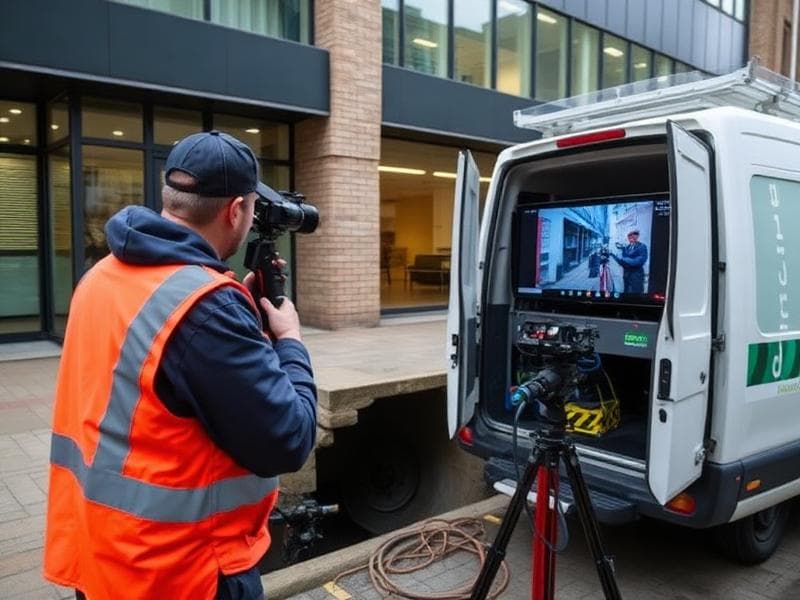
For developers comparing specialist Section 38 contractors, Section 104 contractors and combined roads and sewers teams, the commercial question is not only unit rates. It is whether the contractor can own authority interfaces, maintain inspection records, programme around utility constraints, and deliver phased infrastructure without breaking plot release.
On housing schemes, the contractor may build out in phases so plots can be released while adoption standards are maintained. On commercial and infrastructure-led projects, the same contractor may be coordinating S278 works, pumping station adoption and multi-authority submissions — work that demands different preliminaries, bonds and management overhead than a single-estate civils package.
Adoptable Vs Private Infrastructure
The first strategic decision is whether roads and sewers are intended to be adopted or retained privately. Adoptable infrastructure is designed and built to the standards required for transfer to the highway authority or sewerage undertaker, while private infrastructure stays with the developer, management company, or estate owner. This affects design standards, bond requirements, inspections, maintenance liability, and long-term cost.
Adoptable roads are usually pursued under Section 38 of the Highways Act 1980, while adoptable sewers are typically handled under Section 104 of the Water Industry Act 1991. If a road, drainage run, or pumping asset is not adoptable, the developer should assume it will need private management, which can alter the planning, legal, and funding model significantly.
| Factor | Adoptable (S38 / S104) | Private retained |
|---|---|---|
| Design standards | Highway authority and water company adoption standards | Developer or management company specification — may be lower upfront |
| Approvals | S38, S104 and inspection regimes before transfer | Fewer statutory approvals; planning and build regs still apply |
| Bonds and sureties | Typically required under adoption agreements | May still need performance security for lenders or funders |
| Maintenance liability | Transfers to authority / undertaker after adoption | Remains with developer, management company or estate owner |
| Long-term cost | Front-loaded construction and adoption cost; lower ongoing estate burden | Lower build cost possible; ongoing maintenance funded privately |
| Sales and occupation | Adopted assets support standard sales packs and lender comfort | Private roads may need rights, access deeds and service charge clarity |
Private roads and drainage are not automatically cheaper. They may reduce upfront authority scrutiny, but they transfer ongoing maintenance, renewal and legal access arrangements to the developer or residents' management company. Lenders, purchasers and funders often prefer clear adoption status or robust agreements where private assets remain.
The adoptable vs private decision should be frozen before tender. Contractors pricing adoptable works need authority-standard details, inspection regimes and bond allowances. Teams pricing private infrastructure may assume different finish standards and testing — mixing the two models inside one tender return destroys comparability.
For a deeper view of road adoption mechanics, see Adoptable Roads Explained. For sewer adoption interfaces with roads, align foul and surface water strategy with the S38 and S104 programme from the earliest drainage design.
S38 And S104 Agreements
Section 38 is the mechanism used for new roads to be adopted by the local highway authority, and councils generally expect early engagement before design is frozen. Section 104 is the agreement for adoption of new sewers and pumping stations by the water company, and current applications are assessed against the Sewerage Sector Guidance and Design and Construction Guidance rather than the old Sewers for Adoption regime. In some cases, existing sewers may be transferred under different provisions, but for new development the S104 route is the standard path.
For developers, the practical point is sequencing. Road levels, drainage gradients, service corridors, headwall positions, and adoption extents must be aligned early because later changes can trigger redesign, extra approvals, or unadoptable clashes. This is why many teams treat S38 and S104 as a programme-critical workstream, not a back-office legal task.
S38 and S104 are interdependent. A change to road gradient can invalidate a foul sewer fall. A revised attenuation strategy can shift chamber positions that conflict with kerb lines and service crossings. A pumping station adoption route can introduce surety requirements that affect cash flow alongside infrastructure bonds.
Early engagement matters commercially. Highway authorities often expect pre-application discussion on alignment, visibility, drainage interactions and street lighting. Water companies assess hydraulic capacity, construction standards and maintenance access for pumping assets. Contractors appointed only after design freeze cannot always recover authority comments through variations without programme pain.
Our flagship S38 and S104 Programme Explained guide maps combined milestones, inspection sequencing and typical delay patterns — use it as the programme backbone when appointing roads and sewers contractors.
Highway Authority Approvals
Highway authority approval is more than just sign-off on a drawing. It usually involves technical approval of geometry, gradients, visibility, construction details, street lighting, drainage interactions, and inspection hold points before any works intended for adoption can be accepted. Where the development affects existing public highway, S278 works may also be required, and those works cannot begin until the agreement and authorisation are in place.
The key risk is assuming the same authority will accept all roads in the same way. Local design guides, commuted sums, and inspection procedures vary, so contractors and employers should confirm standards and evidence requirements at the start of the procurement process. A good package will spell out inspection notice periods, hold points, testing, and who supplies the as-built data required for adoption.
S278 sits alongside S38 on many schemes. Access junction improvements, signalisation, footway build-outs and service diversions in the public highway are often prerequisites to safe construction traffic and adoptable estate geometry. The S278 Agreements Explained guide covers when those works apply and how they interact with estate infrastructure.
Technical approval is not planning approval. A consented layout can still fail S38 scrutiny on visibility, drainage detail or construction specification. Procurement teams should include authority correspondence, comment resolution logs and commuted sum allowances in the tender pack so contractors price the real approval burden.
Inspection hold points are commercially significant. Failed sub-base tests, incorrect cover depths or incomplete chamber builds trigger remedial works while follow-on trades wait. Contracts should state who carries the cost of re-inspection, out-of-hours openings and repeat testing when failures arise from workmanship rather than design change.
Drainage And Construction Quality
Drainage design drives a large part of the roads and sewers package. Contractors need enough information on catchment areas, finished floor levels, outfall constraints, pipe sizes, chamber positions, surface water storage, attenuation strategy, and any pumping requirements before setting out the work. In many schemes, the drainage layout affects not only adoption but also the sequence of earthworks and road build-up.
Construction quality matters because the adoption process depends on it. Water company guidance commonly requires compliant cover depths, correct bedding and surround, testing, cleaning, and as-built documentation, while any pumping station or rising main will attract additional scrutiny and surety requirements. SuDS features, infiltration solutions, and network connections also need to be coordinated with the wider drainage strategy rather than treated as an add-on.
Foul and surface water should be planned as one system with the estate road cross-section. Gullies, kerb drainage, attenuation volumes and overflow routes affect both S104 adoption and S38 carriageway details. Commercial drainage contractors and attenuation systems packages must align with the adoptable network, not run in parallel with conflicting levels.
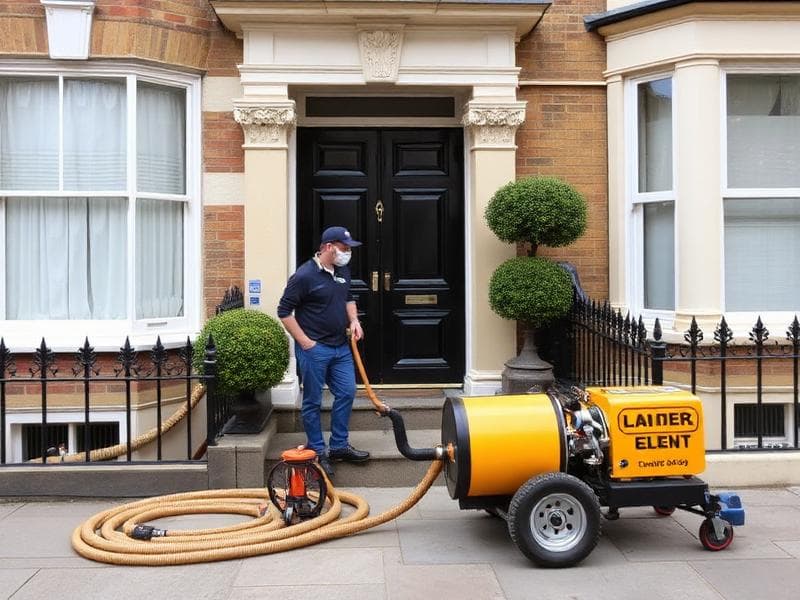
Testing and cleaning regimes are easy to underprice at tender. CCTV, air testing, water testing and chamber inspections take time and can require repeated visits if silt, deformation or joint failures appear. Include explicit testing standards and who funds re-tests when results fail.
Pumping stations introduce adoption complexity beyond standard gravity sewers. Electrical interfaces, telemetry, maintenance access and undertaker sureties can extend the programme after the main network is built. Treat pumping assets as a separate approval track within the S104 programme.
As-built data is part of delivery, not admin. Authorities and undertakers expect survey-quality records, chamber schedules, pavement construction records and photographic evidence. Weak record-keeping is a common reason adoption drifts after physical works look complete.
Utility Coordination
Utility coordination is one of the most underestimated parts of a roads and sewers package. Existing services, diversions, new service corridors, crossings, and provider approvals can all stop progress if they are not handled early. On UK civils projects, the principal contractor is generally expected to coordinate utility risk during construction rather than rely on records alone.
The practical approach is to integrate utility surveys, trial holes, service coordination drawings, and provider meetings into the pre-start and early works phase. That is especially important where road construction depends on utilities being diverted first, or where drainage runs pass through congested corridors and restricted easements.
Statutory undertaker programmes are often longer than civils mobilisation lead times. A diversion quoted at nine months cannot be treated as a background workstream if the first 80m of adoptable road sits directly above the existing main. The Utility Diversions for Development Sites guide explains typical owners, approval steps and programme interfaces with S278, S38 and S104.
Service coordination drawings should show crossings, clearance envelopes and temporary protection — not just line-and-level. Roads and sewers contractors frequently encounter shallow telecoms, unrecorded private supplies and parallel mains that desk studies missed. Trial holes before tender improve pricing and reduce nasty surprises at formation level.
Where utilities must remain live during construction, traffic management, permit conditions and working restrictions feed into preliminaries and programme float. Procurement managers should require contractors to state assumptions on diversion completion dates and price the cost of resequencing if undertakers slip.
Programme Risks And Critical Path Control
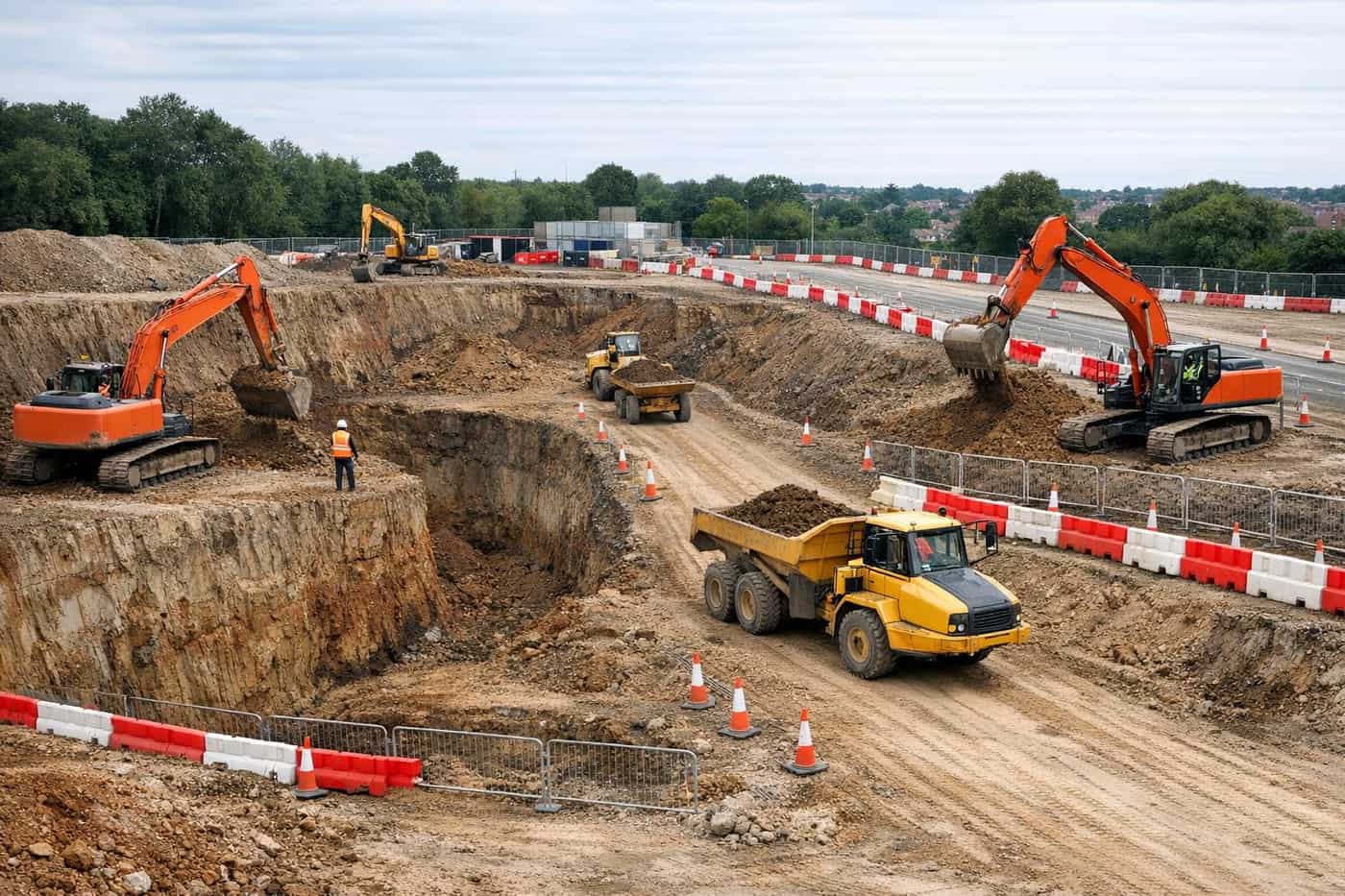
Roads and sewers packages are vulnerable to delay because many approvals sit outside the contractor's direct control. Common programme risks include slow authority review, late design changes, utility diversion delays, bad weather, inspection failures, bond negotiations, and incomplete information at tender stage. A development can be physically ready for roads and drainage works, yet still be blocked by paperwork or third-party dependencies.
The strongest programmes separate approval milestones from construction milestones and build realistic float around them. That means tracking S38 submission dates, S104 technical approvals, pre-start meetings, utility permits, and inspection windows as critical path items rather than admin tasks.
| Risk | Typical cause | Commercial impact |
|---|---|---|
| Authority review delay | Incomplete submissions, design queries, resubmissions | Construction start slips; plot release and occupation at risk |
| Late design change | Levels, drainage or alignment revised after tender | Variations, rework, re-inspection and bond milestone drift |
| Utility conflict | Surveys incomplete; diversion not programmed | Trenching and carriageway build blocked; temporary access costs rise |
| Inspection failure | Non-compliant bedding, cover depths or pavement layers | Remedial works, re-test and extended maintenance period |
| Bond negotiation | Legal and surety lead times underestimated | Cannot commence adoptable works; cash tied in security |
| Incomplete tender information | Assumptions on ground, utilities or adoption scope | Post-award disputes, claims and weak programme confidence |
Weather affects more than productivity. Saturated formation, frozen sub-base and failed compaction tests push inspections into later windows and can collide with plot release dates. Housebuilders should align drainage-first sequencing with sales programmes so a wet winter does not trap follow-on plotworks behind incomplete adoption inspections.
Bond and legal execution are programme gates. Until agreements and sureties are in place, adoptable works may not proceed to authority satisfaction even if the contractor is on site for private elements. Align bond procurement with the infrastructure bonds and sureties timeline and lender reporting.
The S38 and S104 Programme Explained resource maps combined adoption milestones — use it to build a single integrated programme view rather than parallel highway and drainage trackers that drift apart.
Ground Conditions And Site Risk
Ground risk can make or break a roads and sewers package because drainage falls, road formation levels, trench support, dewatering, and material choices all depend on what is actually in the ground. Contractors are commonly expected to satisfy themselves on levels, services, and ground conditions at tender stage, and adverse conditions can lead to claims, redesign, or programme drift if not properly allocated in the contract.
Clay, peat, made ground, high groundwater, contamination, and obstructions are all typical risks on development sites. Each affects trench stability, bedding selection, formation capping and disposal routes. A drainage invert that works on paper may be undeliverable once groundwater or rockhead appears higher than the investigation suggested.
From a procurement perspective, the employer should be clear about what is known, what is assumed, and what remains contractor risk. A well-prepared package includes SI data, drainage strategy, utility surveys, existing level information, contamination reports, and any constraints on excavation or disposal.
Ground conditions also affect S278 and estate road build-up. Weak subgrade may need geotextile, stabilisation or thicker pavement structure — items that change quantities and inspection records. Link GI scope to infrastructure design, not only to foundations.
Read Ground Conditions Explained for investigation methods, common problems and how ground risk flows into NEC and JCT allocation. Tender without adequate GI and contractors will price risk into contingency or exclusions — weakening QS comparability.
Tendering The Roads And Sewers Package
Tendering roads and sewers properly means more than sending out a drawing set and asking for a lump sum. The tender pack should include design information, authority correspondence, programme assumptions, utility records, inspection standards, testing requirements, adoption responsibilities, temporary works assumptions, and a clear list of exclusions. Contractors need enough detail to price the real scope, especially where ground conditions, service diversions, or authority comments are still unresolved.
A strong tender return can then be compared on a like-for-like basis across preliminaries, earthworks, drainage, highway works, traffic management, testing, bonds, and overheads. Developers and QS teams should also look at sequencing assumptions, rates for variations, and whether the contractor has priced for authority re-inspections, remedials, or out-of-hours work.
Essential tender pack items include: adoptable vs private asset schedule; S38/S104/S278 status and correspondence; drainage strategy and attenuation design; utility records and diversion programmes; GI summary and contamination constraints; inspection and testing standards; bond and surety responsibilities; traffic management and temporary access; as-built and survey requirements; and the form of contract proposed.
Compare returns normalised for exclusions. One bidder may exclude undertaker diversion costs; another may exclude re-inspection after failed tests; a third may assume early approval dates that are not achievable. The Groundworks Tendering Guide sets out pack content, bid list size, interview questions and award discipline for civils packages.
Indicative cost sense-checking belongs before award, not after. Use groundworks pricing calculator to understand cost drivers on drainage, earthworks and highway elements — then test whether tender returns reflect the real adoption and utility burden on your scheme.
Tender interviews should probe adoption experience, authority relationships, inspection record systems and how the contractor resequences around utility slips — not only headline price.
Procurement Routes
Most developers use either a traditional route, a design and build civils package, or a wider enabling works contract with roads and sewers embedded within it. Traditional procurement can suit projects where the design is largely complete and the employer wants clear competitive pricing, while design and build can work better when buildability, sequencing, or value engineering still need development.
Frameworks and negotiated appointments can also be effective for repeat housebuilding programmes where contractor familiarity improves speed. The right route depends on how mature the design is, how much ground risk remains, and who is best placed to manage authority interfaces.
If approvals are incomplete, a two-stage approach can reduce risk by appointing early for preconstruction input and then converting to a fixed construction sum once the package is better defined. Early contractor involvement helps freeze drainage sequences, identify S278 dependencies and align utility diversion programmes before formal returns.
Where sureties and adoption obligations are significant, the procurement plan should align with Infrastructure Bonds & Sureties — bond wording, reduction milestones and cash exposure should be visible at appointment, not discovered at legal completion.
Contract form matters. NEC vs JCT for Groundworks Projects explains how each allocates programme, ground and third-party delay risk. Roads and sewers packages with heavy authority dependency often suit collaborative early warning mechanisms — but only if the employer engages with notices and compensation events properly.
Main contractors sometimes subcontract roads and sewers while retaining adoption interface risk. If that is your model, flow down inspection, as-built and remedial obligations explicitly — otherwise the main contractor carries adoption delay while the subcontractor has demobilised.
Common Commercial Mistakes
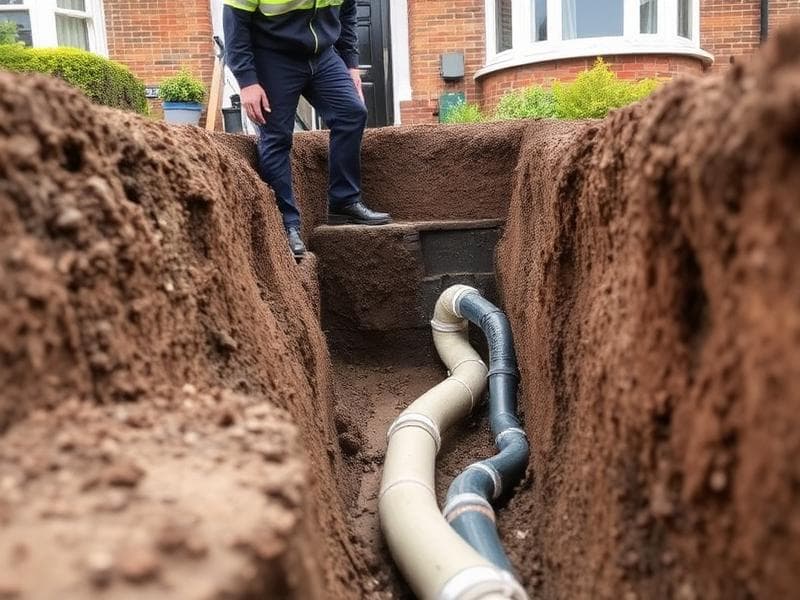
One common mistake is tendering before the adoption strategy is settled. That can lead to pricing based on assumptions that do not match the highway authority or water company requirements, especially on alignments, finish levels, or drainage details. Another frequent error is failing to coordinate roads, sewers, utilities, and temporary access as one system, which creates rework when one element conflicts with another.
Other avoidable mistakes include underestimating programme for approvals, ignoring bond and legal lead times, and assuming site conditions are better known than they are. Developers also sometimes overlook the fact that remedial works after inspection are the contractor's responsibility until completion of the adoption process, so quality defects can become late-stage cost and time problems.
Tendering with unresolved S278 or utility diversion scope forces bidders to guess. The lowest guess wins — then variations follow. Treat utility diversions and S278 as priced milestones, not provisional sums with no programme.
Splitting roads and sewers across unrelated subcontractors without a single adoption coordinator often produces gaps in inspection records and conflicting as-built data. Adoption delay at bond release is frequently a documentation problem, not a construction problem.
Appointing on price alone without testing authority experience is risky. A contractor unfamiliar with local highway inspection preferences may deliver compliant-but-rejected details that trigger repeated remedials.
A disciplined pre-start process — adoption strategy confirmed, utilities programmed, bonds executed, inspection responsibilities written down — avoids most of these issues. Pair that with the developer checklist below before mobilisation.
Developer Checklist Before Tender Or Start
Use this checklist as a commercial control document before tender issue or contractor mobilisation. It reflects what most UK schemes need in place to avoid adoptable infrastructure drift.
Related project scenarios
80-unit housing development
Phased estate roads, foul and surface water drainage, attenuation and adoptable infrastructure released in line with plot sales.
Procurement challenge: S104 technical approval lagged behind earthworks start, while a delayed gas main diversion blocked the first carriageway formation. The contractor could resequence drainage but not release the primary access arm without utility clearance.
Commercial outcome: Programme: six-week slip on first plot handover. Cost: temporary haul route and extended preliminaries. Procurement: two-stage civils appointment with utility milestones in the contract would have surfaced the conflict at tender. Delivery: phased drainage-first build-out protected later plot releases once diversions completed.
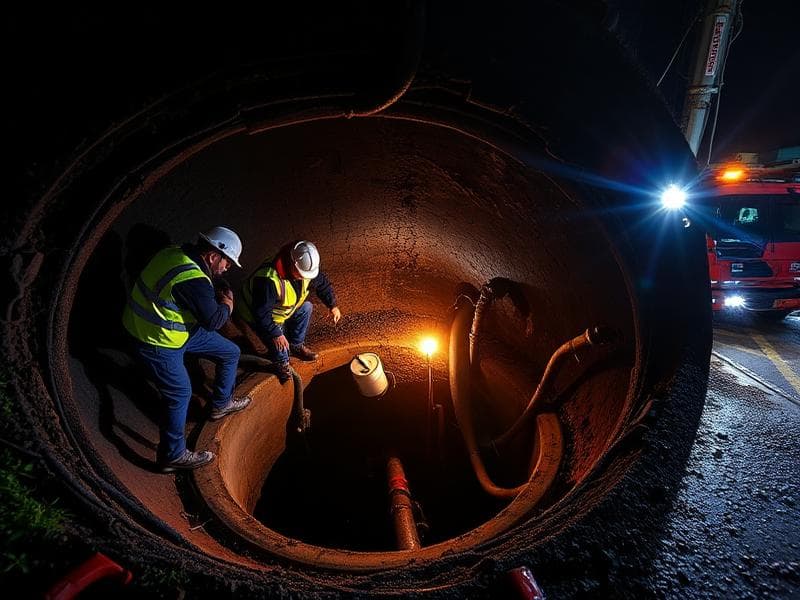
Commercial development with S278 access
New adoptable estate road, surface water attenuation and foul drainage inside the site, plus off-site highway works to widen the public junction.
Procurement challenge: The roads and sewers package became a multi-authority exercise: highway authority for S278 and S38, water company for S104, and three statutory undertakers for corridor diversions. Tender returns priced different adoption, bond and traffic management responsibilities.
Commercial outcome: Programme: S278 agreement execution sat on the critical path for 14 weeks. Cost: normalised tender comparison after clarifying bond and inspection duties avoided a six-figure post-mobilisation dispute. Procurement: a single roads and sewers contractor with authority-management experience reduced interface arguments. Delivery: aligned S278 completion with first inspection hold point on the estate road.
Infrastructure-led regeneration scheme
Major foul and surface water network, pumping station adoption, estate roads and tie-ins to existing authority assets across a constrained brownfield corridor.
Procurement challenge: High groundwater and made ground affected trench support, road formation levels and attenuation outfall. Incomplete GI at tender led bidders to load very different ground risk allowances.
Commercial outcome: Programme: dewatering and revised drainage gradients added two months to the wet infrastructure critical path. Cost: employer-funded ground remediation and revised pipe routes after ground conditions and cost guides informed the recovery strategy. Procurement: NEC target cost with shared ground risk data improved forecast certainty. Delivery: staged as-built submissions prevented a late adoption delay at bond release.
Related commercial services
Related infrastructure guides
- S38 & S104 Programme ExplainedCombined adoption programme for roads and sewers.Read guide
- S278 Agreements ExplainedHighway works on the existing public network.Read guide
- Utility Diversions for Development SitesStatutory undertakers, trial holes and programme risk.Read guide
- Infrastructure Bonds & SuretiesS38 bonds, release milestones and cash-flow exposure.Read guide
- Ground Conditions ExplainedGI, trenching risk and procurement allocation.Read guide
- Groundworks Tendering GuideTender packs, evaluation and award discipline.Read guide
- NEC vs JCT for Groundworks ProjectsRisk allocation on civils and infrastructure packages.Read guide
- Groundworks pricing calculatorUK pricing drivers, calculator and feasibility sense-checks.Read guide
Frequently asked questions
Who normally appoints the roads and sewers contractor?
Usually the developer, main contractor, or housebuilder appoints the civils contractor, depending on the procurement route and whether roads and sewers sit inside a larger enabling works or commercial groundworks package.
When should the roads and sewers contractor be appointed?
As early as possible once the drainage strategy, utility constraints, and adoption approach are sufficiently developed to let the contractor price and plan properly. On complex schemes, a two-stage appointment for preconstruction input is often commercially justified before fixed-price construction.
What is the difference between S38 and S104?
S38 relates to adoption of roads by the highway authority under the Highways Act 1980. S104 relates to adoption of new sewers and pumping stations by the water company under the Water Industry Act 1991. Both must be sequenced together — see the S38 and S104 programme guide.
When is S278 required alongside estate roads?
S278 is required when works to the existing public highway are needed — for example junction improvements, footways, signals or service works in the carriageway. It often gates site access and must be programmed with estate roads and sewers. See S278 Agreements Explained.
Can roads or sewers be built before final adoption approval?
Sometimes limited early works can begin under agreed procedures, but adoptable works generally need the correct agreements, pre-start meetings, and inspection regimes in place. Starting without approval risks non-compliant construction and costly rework.
What causes the most delay on roads and sewers packages?
Late design changes, utility conflicts, incomplete tender information, slow authority approvals, inspection failures, and bond negotiation delays are among the most common causes. Programme trackers should treat these as critical path items, not background admin.
Should roads and sewers be adoptable or private?
That depends on the funding model, long-term maintenance strategy, sales pack requirements and lender expectations. Adoptable assets follow S38/S104 standards with bonds and inspections; private assets stay with the developer or management company with different legal and cost profiles.
What should be in a roads and sewers tender pack?
Design drawings, drainage strategy, authority correspondence, utility records, GI summary, adoption status, inspection and testing standards, bond responsibilities, programme assumptions, traffic management, exclusions list and proposed contract form. The Groundworks Tendering Guide expands this list.
How do utility diversions affect roads and sewers?
Diversions and service protection often must complete before trenches and carriageways can be built safely and to adoption standards. Poor utility planning blocks progress even when the civils contractor is mobilised. See Utility Diversions for Development Sites.
How do ground conditions affect pricing and programme?
Groundwater, made ground, rock, contamination and weak formation change trench support, bedding, dewatering, disposal and road subgrade design. Contractors price unknown ground risk into contingency or exclusions unless the tender pack and contract allocate it clearly — see Ground Conditions Explained.
Are bonds always required for adoptable infrastructure?
Bonds and sureties are commonly required under S38, S104 and sometimes S278 agreements to protect the authority or undertaker until adoption is complete. Programme and cash flow should reflect bond execution and release milestones — see Infrastructure Bonds & Sureties.
Who owns remedial works after a failed inspection?
Typically the contractor responsible for construction must remedy non-compliant work and fund re-inspection until the authority or undertaker is satisfied, unless the failure arose from a design change directed by the employer. Contracts should state this explicitly to avoid late-stage disputes.
Can house plots be occupied before road adoption completes?
Often yes, subject to planning conditions, access arrangements, and legal agreements. However, incomplete adoption can affect sales packs, lender requirements and bond release. Phased infrastructure and inspection discipline reduce occupation risk on housebuilder schemes.
What is the maintenance period before road adoption?
Authorities commonly require a maintenance period after construction — often around twelve months — to confirm performance before final adoption. Defects during this period can delay bond reduction and handover.
Should roads and sewers be procured separately or together?
They are commercially interdependent because levels, trenches, inspections and programmes overlap. Separate appointments can work on very simple schemes, but combined roads and sewers procurement usually gives clearer accountability for adoption.
What is design and build civils procurement?
The contractor takes responsibility for developing buildable detail, sequencing and sometimes minor design development within adoption standards. It suits schemes where buildability and value engineering are not yet frozen, provided authority interfaces are managed collaboratively.
How does NEC differ from JCT for roads and sewers packages?
NEC emphasises early warning, programme accountability and compensation events; JCT traditional forms can be simpler but may leave third-party delay risk less clearly managed. Choice should follow design maturity and employer capability to administer notices — see NEC vs JCT.
What as-built information is needed for adoption?
Authorities and undertakers typically require survey-quality drawings, chamber schedules, pavement construction records, test results, photographs and asset data in agreed formats. Incomplete records are a frequent reason adoption drifts after physical completion.
How do pumping stations differ from gravity sewer adoption?
Pumping stations attract additional technical scrutiny, electrical and telemetry interfaces, maintenance access requirements and surety considerations. Programme them as a distinct approval track within the wider S104 process.
What is the biggest commercial mistake on roads and sewers schemes?
Tendering before adoption strategy, utility programmes and drainage levels are aligned. That produces non-comparable returns and post-award rework when authority comments and undertaker requirements diverge from bidder assumptions.
Roads and sewers contractors are not a peripheral trade on development sites. They deliver the adoptable arteries that connect plots to the public network, satisfy water and highway authorities, and unlock occupation. When packages run smoothly, the commercial story is quiet: plots release, bonds reduce, and infrastructure drops off the risk register. When they stall, the pain is loud — sales delay, cash trapped in sureties, variations stack up, and lenders ask questions you cannot answer from a single Gantt line.
The schemes that avoid that outcome treat roads and sewers as a coordinated system: adoption strategy fixed early, S38 and S104 programmed together, S278 and utilities on the same critical path, ground risk allocated honestly, and tenders built on information dense enough for QS teams to compare returns fairly. Contractor selection then becomes a delivery decision — authority experience, inspection discipline, sequencing flexibility — not a race to the lowest line item.
If you are a developer, quantity surveyor, procurement manager, project manager, housebuilder or main contractor preparing the next infrastructure package, use the checklist and related guides in this resource to stress-test your strategy before tender. Then procure roads and sewers contractors with adoption milestones, bond timelines and utility programmes written into the contract — not assumed in the margin.
Mainline Groundworks supports adoption-led infrastructure delivery across residential, commercial and regeneration schemes — from package strategy and tender documentation through to Section 38, Section 104 and combined roads and sewers construction. Share your programme, authority status and scope constraints and we will advise on procurement and delivery options that protect occupation and close-out.
Discuss roads and sewers on your scheme
Share your adoption status, programme and authority interfaces — we will advise on contractor procurement and delivery options.