
What Is A Utility Diversion?
A utility diversion involves altering existing infrastructure to enable development works to proceed safely and compliantly. This can include moving existing apparatus (e.g. relocating a gas main out of a road alignment), protecting services in situ (e.g. concrete slabs over shallow cables), or modifying networks (e.g. upsizing water mains or rerouting connections).
Typical utilities include electricity (low and high voltage networks), gas (distribution and transmission), water (clean water supply), foul and surface drainage, telecoms and fibre networks, and district heating systems on larger urban schemes.
Diversions may be required within highways, private land, or proposed infrastructure corridors such as roads, drainage easements, and building footprints — including interfaces with foundation contractors packages where deep services affect pile or raft zones.
Why Utility Diversions Matter
Utility diversions directly affect programme certainty, buildability, access, health and safety, approvals, and cost.
Programme certainty: long lead times from statutory undertakers can exceed 6–12 months.
Buildability: services in conflict with roads, drainage, or foundations require redesign.
Access: key routes may be blocked until diversions are complete.
Health and safety: live services introduce risk during excavation and construction.
Approvals: authorities will not approve S278 or S38 works with unresolved conflicts.
Cost: late-stage diversions are significantly more expensive than early planned works.
Typical Utilities On Development Sites
Electricity: typically owned by DNOs (e.g. UK Power Networks, National Grid for transmission); high complexity, high programme risk; common issues include deep routes, easements, and outage requirements.
Gas: owned by gas transporters (e.g. Cadent); medium to high complexity; safety zones and diversion approvals can be restrictive.
Water: owned by water companies (e.g. Thames Water); medium complexity; conflicts with drainage corridors are common.
Foul drainage: usually water authority assets; medium complexity; levels and gradients are critical constraints for Section 104 design.
Surface water: mixed ownership (authority/private); lower complexity but heavily linked to drainage design and attenuation systems.
Fibre: owned by telecom providers (e.g. Openreach, Virgin Media); variable complexity; often poorly recorded.
Telecoms: similar to fibre; frequent shallow services and congestion in highways.
Who Owns Utility Infrastructure?
Understanding who owns and operates each asset is essential because ownership determines who approves diversions, who prices the works, and how long the programme will take.
Distribution Network Operators (DNOs) own and operate most low-voltage and some high-voltage electricity distribution networks. Diversion requests, outage planning and design acceptance run through the relevant DNO for the site location.
Independent Distribution Network Operators (IDNOs) may own newer networks on large schemes or commercial parks. IDNO interfaces can differ from traditional DNO processes and should be identified at acquisition stage.
Water companies own clean water supply infrastructure. Foul and surface water sewers may be water authority or adoptable under S104 — coordination with Section 104 contractors is critical where diversion trenches cross sewer corridors.
Telecoms providers (Openreach, Virgin Media, CityFibre and others) own duct and cable networks. Multiple providers can share highway space, increasing congestion and approval complexity.
National Grid owns transmission-level electricity and gas infrastructure. Transmission diversions are fewer on typical residential sites but can dominate programme and cost on major commercial or regeneration schemes.
Gas transporters (e.g. Cadent, SGN) own distribution gas mains. Safety zones, pressure tiers and specialist installation standards affect diversion methodology and working restrictions.
Ownership drives approvals: the asset owner issues quotations, programmes works, and often insists on their operatives or approved contractors. Developers cannot usually treat all utilities as a single subcontract package unless formal agreements allow self-delivery.
Ownership also affects reinstatement, wayleaves and easements. A diversion on private land may still require owner consent and future maintenance responsibility to be recorded before Section 38 road construction proceeds.
Typical Utility Owners On UK Development Sites
The table below lists typical organisations by utility type. Actual ownership always depends on site location — always confirm with formal utility searches and undertaker responses.
| Utility type | Typical organisation |
|---|---|
| Electricity | UK Power Networks, SSE, National Grid |
| Gas | Cadent, SGN, Wales & West Utilities |
| Water | Thames Water, Anglian Water, Southern Water |
| Telecoms | Openreach, Virgin Media, CityFibre |
Multiple asset owners may be present on the same site, particularly in urban areas or along existing highways. Programme planning should assume separate quotation and approval tracks per owner, not a single combined utility programme.
The Utility Diversion Process
Initial records search: early desktop studies identify known utilities using available plans. These are often incomplete or outdated.
Utility searches: formal enquiries (e.g. C2/C3 searches) are submitted to asset owners for records and initial comments.
Site surveys: service detection surveys (GPR, CAT scanning) help identify live assets on site.

Trial holes: physical excavations confirm location, depth, and condition of services.
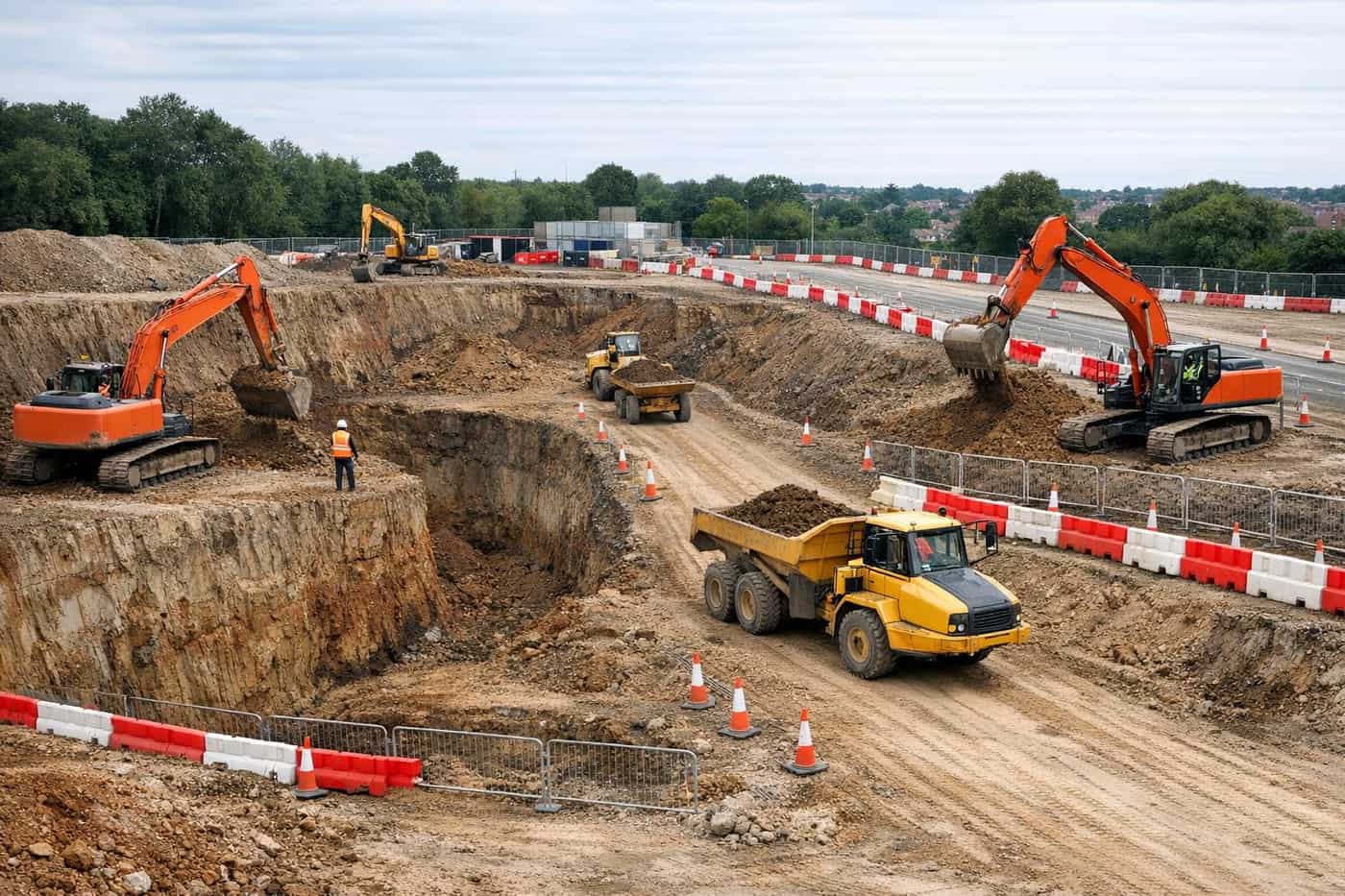
Design development: engineers design diversion routes or protection measures, coordinating with Section 38 roads, Section 104 drainage, and foundation contractors layouts.
Diversion quotations: statutory undertakers provide budget costs and programmes, often with significant lead times.
Legal approvals: wayleaves, easements, and agreements are secured before works commence.
Programming: diversion works are integrated into the master construction programme.
Construction: works are carried out by utility providers or approved contractors.
Commissioning: new services are connected, tested, and existing assets decommissioned if required.
The flow below summarises how utility planning typically sits ahead of adoptable infrastructure and plot delivery on UK developments.
- Planning
- Utility searches
- Trial holes
- Diversion design
- Utility approval
- Diversion works
- Roads & drainage
- Plot infrastructure
- Occupation
Each step depends on the previous gate being satisfied. Skipping searches or trial holes before fixing road or drainage alignment is a common source of redesign and commercial dispute.
Typical Utility Diversion Programme Timeline
Utility diversions rarely align with the main contractor's mobilisation date unless they are planned as a separate workstream from site acquisition onward.
| Stage | Typical timing |
|---|---|
| Utility searches | Site acquisition / planning |
| Service detection survey | Pre-design |
| Trial holes | Concept design |
| Diversion quotations | Detailed design |
| Statutory undertaker approvals | Pre-construction |
| Diversion works | Enabling works |
| Infrastructure construction | Post-diversion |
| Final connections | Prior to occupation |
Utility diversions often begin 6–18 months before the associated infrastructure package. On larger developments, the diversion programme may start before the groundworks contractor is formally appointed. Because statutory undertakers operate to their own programmes and approval processes, developers that leave utility planning until mobilisation frequently find diversions sitting on the critical path.
How Utility Diversions Affect S278 Schemes
Utility conflicts are one of the most common reasons S278 works are delayed.
They impact highway alignments and levels, signalised junction installations, pedestrian crossings and ducting routes, and visibility splays and verge works.
Authorities typically require confirmation that utility conflicts are resolved before approving detailed designs or issuing technical approval.
Specialist Section 278 contractors usually coordinate undertaker programmes, traffic management and inspection hold points alongside the highway design team. See S278 agreements explained for agreement and bond context.

Impact On S38 And S104 Programmes
Utility diversions significantly influence adoptable infrastructure.
S38 roads: services within carriageways must be correctly positioned before construction. Section 38 contractors need confirmed utility corridors in the maintenance and adoption records.
S104 drainage: conflicts between sewers and existing utilities can require redesign. Wet infrastructure must align with Section 104 technical approval.
Drainage corridors: restricted by existing services, affecting pipe runs, outfalls and attenuation systems.
Coordinate with the S38 and S104 programme and roads and sewers delivery model so diversion completion gates adoption milestones.
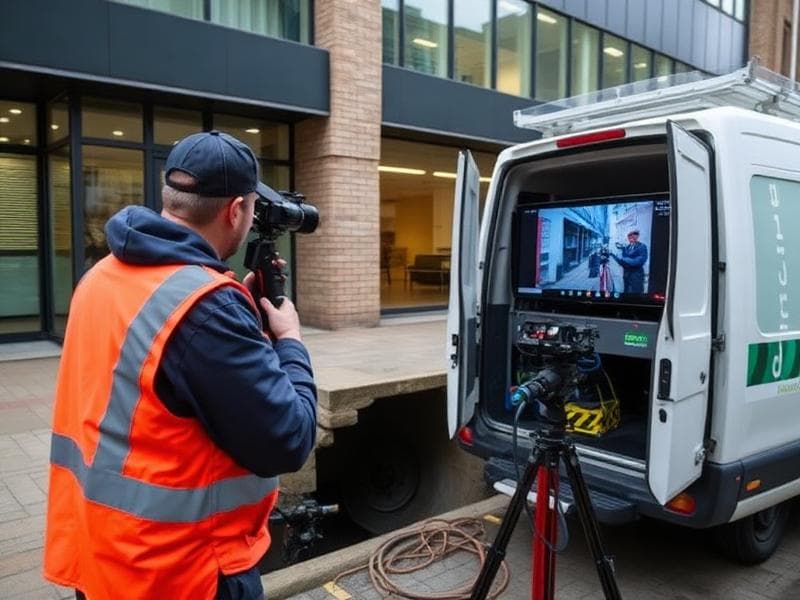
The Importance Of Trial Holes
Trial holes are critical because utility records are frequently inaccurate.
They reveal incorrect depths, misaligned routes, unknown or abandoned services, and congested corridors.
Common Utility Diversion Delays
Inaccurate or incomplete records; delays in statutory undertaker responses; long lead times for approvals and scheduling; design changes after site investigations; poor sequencing between contractors; unforeseen ground conditions; funding or budget approvals for diversion works.
These delays often sit on the critical path ahead of Section 278, Section 38 and Section 104 works — not inside the main building programme where they are easier to recover.
Utility Diversions During Housing Developments
On phased housing schemes, utility diversions affect plot servicing and connections, sales release programmes, occupation timelines, and temporary access arrangements.
Delays to primary infrastructure can cascade into delayed completions and revenue impacts.
See groundworks for housebuilders for phased delivery and commercial groundworks where utilities and adoptable infrastructure are packaged together.
Utility Diversions For Main Contractors
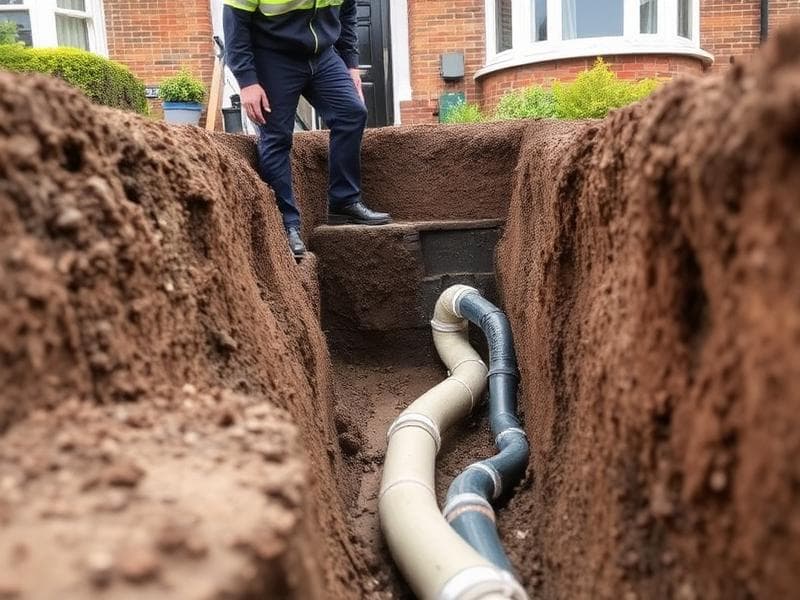
Main contractors must manage coordination between utility providers and subcontractors, programme ownership where third parties control key activities, temporary works to maintain access and safety, and sequencing of infrastructure and building works.
See groundworks for main contractors and commercial groundworks contractors where utility and adoption interfaces are scoped early.
Who Pays For Utility Diversions?
In most cases, the developer bears the cost of diversions required to facilitate development.
Cost drivers include complexity of the asset (e.g. high-voltage vs low-voltage), location (highways vs private land), extent of diversion works, traffic management requirements, and statutory undertaker pricing structures.
Third-party infrastructure and reinforcement works can further increase costs. Detailed commercial drivers are covered in the section below.
What Influences Utility Diversion Costs?
This section explains what drives diversion cost without publishing specific rates, which vary by undertaker, asset type and location.
Asset size and capacity: larger gas mains, high-voltage cables and pumped water infrastructure require more specialist installation and longer outages.
Asset depth: deeper apparatus increases excavation, support, and reinstatement cost; shallow telecoms in highways can still be expensive where traffic management is restrictive.
Traffic management requirements: works in live carriageways need lanes closures, signals, or night working — often a major cost on Section 278 corridors.
Out-of-hours working: undertaker or authority constraints may require night shifts to maintain network operation.
Highway authority constraints: S278 approvals may limit working hours, methods, and reinstatement standards.
Land ownership and easements: diversions across third-party land need legal agreements before construction pricing is firm.
Temporary supplies: maintaining supply during diversion can require temporary feeds, generators, or parallel networks.
Utility provider charges: undertakers price design review, supervision, and connection separately from civils.
Reinstatement requirements: highway and footway rebuild standards after trenching can exceed the civils diversion cost alone.
Diversion route complexity: longer routes, multiple bends, valve chambers, and interface structures increase design and build scope.
Align cost planning with tenders and site preparation services so provisional sums reflect undertaker quotation ranges, not guesswork.
Impact On Groundworks Procurement
Utility diversions complicate procurement by introducing uncertainty.
Key issues include provisional sums for unknown works, contractor exclusions for utility risks, programme assumptions that may not align with utility timelines, and pricing uncertainty due to incomplete information.
Procurement is more reliable when trial holes and undertaker budget estimates are complete before foundation contractors and Section 38 packages are awarded.
Common Mistakes Developers Make
Assuming utility records are accurate.
Delaying surveys and trial holes.
Underestimating statutory undertaker lead times.
Treating utilities separately from infrastructure planning.
Appointing contractors too late to influence design.
Ignoring interfaces between utilities and attenuation systems or deep foundation contractors zones.
Practical Utility Diversion Checklist
- Utility searches completed
- Service detection surveys undertaken
- Trial holes completed and verified
- Diversion strategy agreed with designers
- Budget costs reviewed and allowed for
- Programme updated with realistic durations
- Authorities and statutory undertakers engaged
- S278, S38 and S104 interfaces confirmed
- Contractors briefed and aligned
Real Development Examples
Utility Diversions And Infrastructure Bonds
Utility delays can directly impact bond release.
S278 bonds: delayed highway completion due to unresolved services.
S38 bonds: roads cannot be adopted until utilities are correctly installed.
S104 bonds: sewer adoption depends on compliant installation.
Delayed adoption leads to extended bond periods and increased financial exposure.
See infrastructure bonds and sureties explained for how adoption timing affects security release.
Early Contractor Involvement
Engaging contractors early improves buildability of diversion solutions, programme integration, cost certainty, and coordination between disciplines.
Relevant specialists include commercial drainage contractors, roads and sewers teams, Section 278, Section 38 and Section 104 contractors, and commercial groundworks packages scoped with utility milestones.
Related commercial services
- Section 278 Contractors
- Section 38 Contractors
- Section 104 Contractors
- Roads & Sewers
- Commercial Drainage Contractors
- Attenuation Systems
- Foundation Contractors
- Groundworks for Developers
- Commercial Groundworks Contractors
- Groundworks for Housebuilders
- Groundworks for Main Contractors
- Site Preparation Contractors
- Tenders
- Contractors
Related infrastructure guides
- S278 Agreements ExplainedHighway works, utility interfaces and S278 programme risk.Read guide
- S38 & S104 Programme ExplainedAdoption sequencing with roads and drainage.Read guide
- Infrastructure Bonds & SuretiesHow adoption delays extend bond exposure.Read guide
- Adoptable Roads ExplainedS38 estate roads and utility corridors.Read guide
- Commercial Drainage ExplainedS104 drainage, attenuation and utility conflicts.Read guide
- Groundworks For HousebuildersPhased utilities, plot release and occupation.Read guide
Frequently asked questions
What is a utility diversion?
It is the process of moving, modifying, or protecting existing utility infrastructure to enable development.
Who pays for utility diversions?
Typically the developer, although costs depend on the nature of the works and ownership of the assets.
How long do utility diversions take?
They can range from a few weeks to over a year depending on complexity and statutory undertaker involvement.
What is a statutory undertaker?
An organisation authorised to install and maintain utilities, such as electricity, gas, water, or telecom providers.
Why are trial holes important?
They verify the exact position and depth of services, reducing design risk before Section 38 and Section 104 construction.
Can utility diversions delay planning?
Not usually planning approval itself, but they can delay delivery and discharge of conditions.
Can utility diversions delay S278 works?
Yes. Unresolved utility conflicts are a major cause of delay in highway schemes — see S278 agreements explained.
How do utility diversions affect drainage?
They can constrain pipe routes, levels, and outfall locations, including attenuation systems design.
What happens if utility records are wrong?
Designs may need to be revised, causing delays and additional costs.
Do utility companies carry out the work?
Often yes, although some works can be done by approved contractors under agreement.
Can contractors carry out diversion works?
In some cases, under agreements with utility providers.
How do diversions affect housebuilding projects?
They impact plot servicing, access, and occupation timelines on groundworks for housebuilders schemes.
When should utility searches be completed?
At the earliest stage of site assessment and planning.
What are the biggest utility diversion risks?
Programme delays, cost overruns, and design conflicts with roads, drainage and foundations.
How can delays be reduced?
Early surveys, trial holes, and proactive engagement with utility providers and Section 278 / Section 104 teams.
Utility diversions rarely fail because of engineering difficulty. They usually fail because they are treated as a construction issue instead of a programme issue. The projects that manage diversions successfully start investigations early, coordinate roads and drainage together, and treat statutory undertakers as part of the delivery team rather than external stakeholders.
For developers, principal contractors and commercial managers, early utility planning often delivers greater programme certainty than almost any other pre-construction activity. Identifying conflicts before procurement protects budgets, improves sequencing, and reduces the risk of infrastructure packages becoming delayed by third-party approvals.
Discuss utility strategy on your site
Share your records, trial hole findings or infrastructure programme and we will advise on sequencing and delivery.