
What Ground Conditions Are
Ground conditions are the physical and chemical characteristics of the ground beneath a site, including soil, rock, groundwater, and any man-made material such as made ground or fill. In practical terms, this means understanding whether the site is sitting on clay, sand, gravel, rock, soft material, contaminated land, or a mixed profile that changes across the plot.
Soil type matters commercially because different materials behave differently under load, react differently to water, and need different foundation solutions. Clay can shrink and swell, sand and gravel can be more permeable, rock can create excavation cost, and made ground can be highly variable and unpredictable.
Groundwater is just as important because it affects excavation stability, dewatering, piling, drainage, contamination risk, and even the practical build sequence. If groundwater is high, the site may need more robust temporary works, different concrete detailing, or a completely different foundation and drainage approach.
Why Developers Care
Ground conditions directly affect land acquisition because they influence the residual value of the site. A brownfield plot with a known contamination legacy or poor bearing conditions may still be viable, but only if the market has priced in remediation, investigation, and foundation risk correctly.
They also affect buildability. A contractor can price normal groundworks with relative confidence, but once the site contains uncertainty, the tender becomes more conservative, and that usually shows up in higher preliminaries, larger risk allowances, and more exclusions.
Funding decisions are also affected because lenders want certainty around abnormal costs and programme risk. If the investigation package is weak, the project can look more speculative than it really is, which can weaken appraisal assumptions and slow down decision-making.
Ground Investigation Explained
A ground investigation is the process of finding out what is actually in the ground before design and construction start. The aim is to reduce uncertainty so that the scheme can be designed, priced, and sequenced against evidence rather than guesswork.
A desk study is the starting point. It reviews historical maps, previous land use, geology, contamination potential, flood and groundwater information, and nearby development history so that risks can be identified before intrusive work begins.
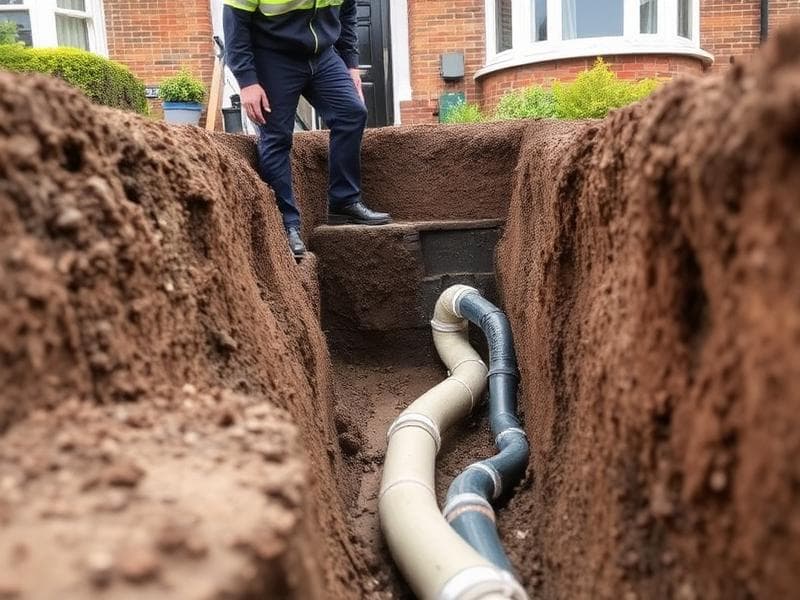
Trial pits give direct visual access to shallow soils and buried obstructions. They are useful for checking made ground, confirming near-surface conditions, identifying old foundations or services, and understanding how consistent the upper layers are across the site.
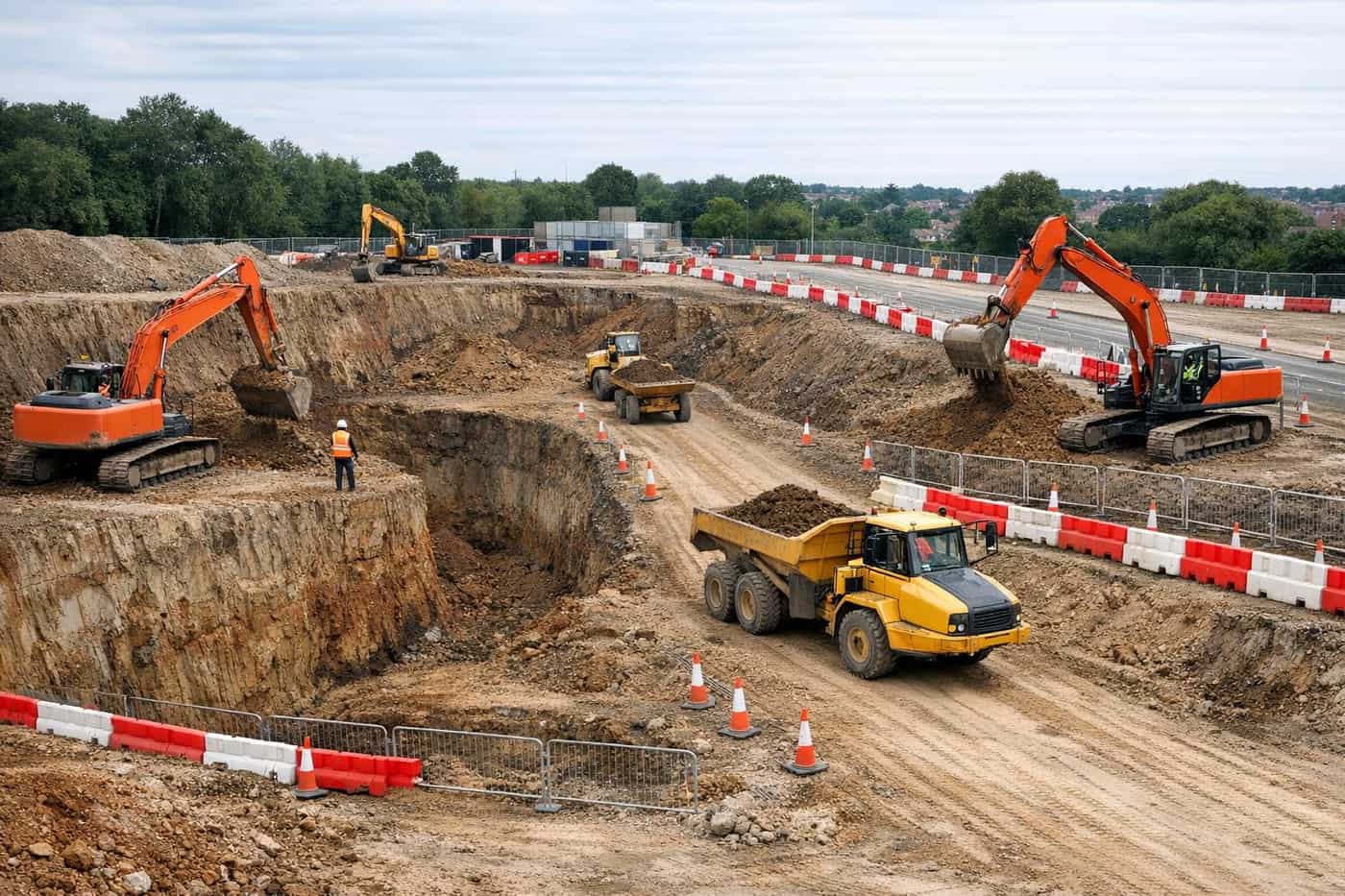
Boreholes sample deeper ground and are used where the site needs a better understanding of strata below the shallow zone. They are important where piling is likely, where deeper bearing strata are needed, or where groundwater and variable soil layers may control the design.
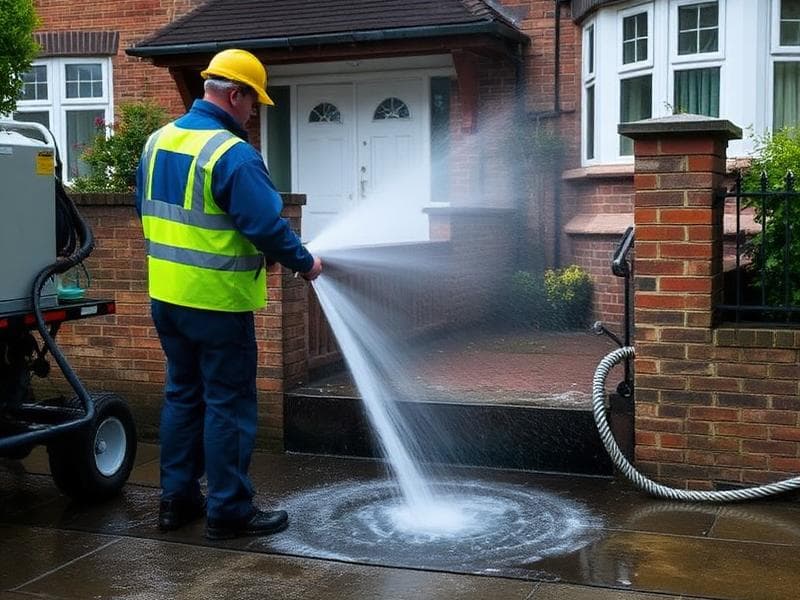
Window sampling is a useful shallow intrusive method for obtaining samples in softer or more variable ground, especially where a lighter-touch investigation is needed. Laboratory testing then turns the field data into usable design information by checking strength, compressibility, moisture content, contamination indicators, and other engineering properties.
| Method | Typical use | Commercial value |
|---|---|---|
| Desk study | Historic maps, land use, geology, flood and contamination screening | Targets intrusive work before spend on site |
| Trial pits | Shallow soils, made ground, obstructions, near-surface consistency | Confirms buildability assumptions before foundations are fixed |
| Boreholes | Deeper strata, piling zones, groundwater, variable layers | Supports foundation and earthworks pricing at tender |
| Window sampling | Shallow intrusive samples in softer or variable ground | Lighter-touch option where full borehole scope is not yet justified |
| Laboratory testing | Strength, compressibility, moisture, contamination indicators | Turns field data into design and disposal decisions |
Specialist ground investigation services should be scoped to the end use of the site — housing plots, commercial slabs, adoptable roads or remediation — not a generic template.
Common Ground Problems
Contamination is a major issue on brownfield and former industrial sites because it can trigger remediation, disposal controls, environmental monitoring, and planning conditions. Commercially, contamination can add cost in investigation, handling, export, treatment, validation, and long-term risk management.
It can also affect foundation and drainage design because contaminated soils may not be reusable, excavation may need to be controlled, and piling can create pathways for migration if not assessed properly. On vulnerable sites, piling risk assessments may be needed to address groundwater and pollutant movement concerns.
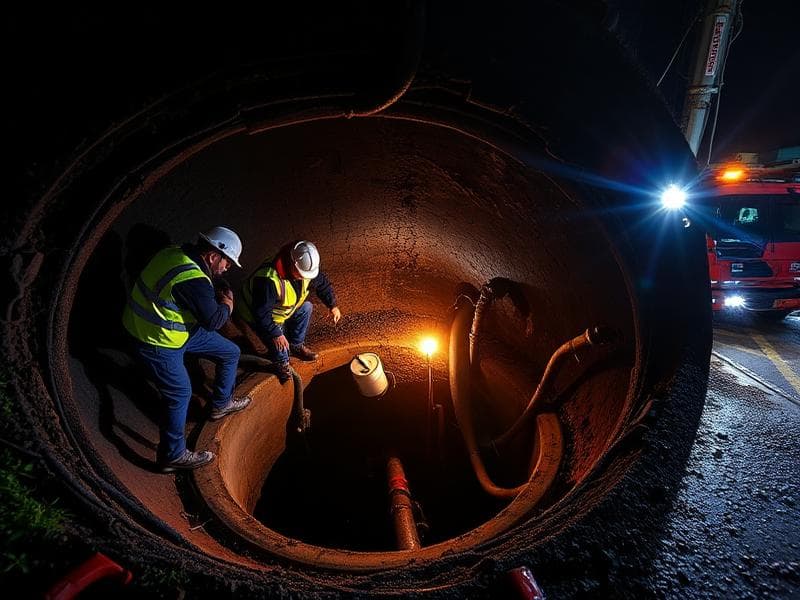
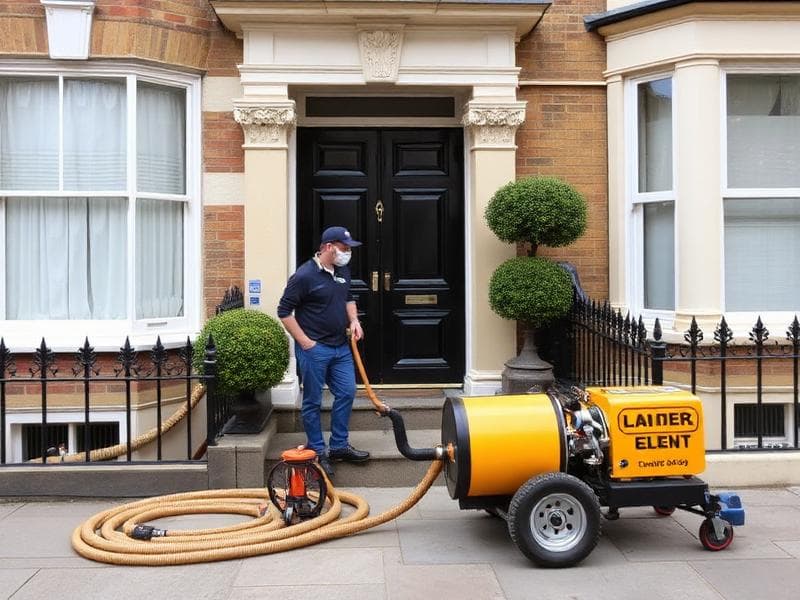
Buried obstructions include old foundations, concrete slabs, redundant tanks, masonry, culverts, and other leftover structures from former use. These features can slow excavation, damage plant, increase waste volumes, and force redesign if they sit in areas where foundations or services were planned.
They are especially painful commercially because they are often discovered late, after the project has already committed to a programme and procurement route. That leads to claims, delay, and a lot of discussion about who priced the risk.
Made ground is material that has been placed by people rather than formed naturally. It may contain variable fill, debris, pockets of weak material, and inconsistent compaction, which makes it unreliable for direct foundation support unless it has been proven suitable.
For a developer, made ground usually means uncertainty. It may require deeper foundations, more excavation, proof of removal, or ground improvement, all of which affect the cost plan and the tender risk profile.
High groundwater can make excavations wetter, slower, and less stable. It may require dewatering, groundwater monitoring, different excavation support, and modified drainage design, especially where basements, service trenches, or deep foundations are involved.
The commercial impact is often underestimated at feasibility stage because groundwater problems do not just add a line item; they can affect the whole sequence of works. Once water management becomes part of the critical path, programme risk rises sharply.
Unstable ground includes soft soils, loose fill, compressible layers, and ground that cannot safely carry the planned loads without additional intervention. It usually means the original foundation idea is too optimistic and must be revised after investigation.
That revision often affects the structural design, the groundworks package, and the procurement strategy because the contractor now needs a more specialist scope and a more careful methodology.
Old foundations are common on redevelopment sites where previous buildings have been demolished. They can create hard spots, obstructions, uneven bearing, and hidden interfaces between old and new structures, which complicate excavation and foundation setting out.
They also affect waste classification and disposal because the material encountered may not be plain spoil. In commercial terms, they often create small but expensive delays that disrupt sequencing and subcontractor productivity.
Former industrial land is often attractive because it is well located, but it carries a higher probability of contamination, buried infrastructure, and altered ground profiles. This is exactly the kind of site where early investigation has the biggest financial value.
The key commercial issue is that the land may be viable only if the risks are properly understood before purchase. If not, the buyer can inherit remediation, delay, and design changes that were never reflected in the original deal.
Landfill sites or areas close to historic tipping can present very poor or variable ground, gas risk, leachate risk, and long-term settlement concerns. These sites often require specialist investigation and a much more cautious foundation and infrastructure strategy.
Commercially, landfill risk can affect everything from disposal strategy to insurability and lender comfort. It is rarely a standard groundworks job once the true condition is understood.
Ground Risk Summary
| Risk | Typical commercial impact |
|---|---|
| Contamination | Remediation, disposal controls, validation, planning conditions |
| Buried obstructions | Late discovery, claims, redesign, productivity loss |
| Made ground | Variable foundations, extra excavation, tender risk allowances |
| High groundwater | Dewatering, trench support, critical-path delay |
| Unstable / soft ground | Foundation redesign, specialist piling procurement |
| Landfill / industrial legacy | Specialist GI, gas or leachate risk, lender and insurer scrutiny |
Foundations And Ground
Ground conditions drive foundation choice more than almost any other single design factor. If the ground is consistent and suitable near the surface, strip or trench fill foundations may work well, but if the soil is weak, variable, or affected by fill and groundwater, deeper or specialist solutions are often needed.
Strip foundations are usually used where the ground can provide reliable near-surface bearing. Trench fill can be appropriate where deeper excavation is needed for bearing or to reach suitable strata, but both rely on the ground being reasonably predictable.
Raft foundations spread loads over a larger area and can be useful where ground conditions make isolated shallow footings less practical. They may also be considered where some settlement can be tolerated or where a different solution reduces excavation complexity.
Piling becomes attractive when shallow ground is too poor or too variable to support the structure efficiently. CFA piling, mini piling, and other specialist methods are often chosen where access is restricted, bearing strata are deeper, vibration must be controlled, or where the site conditions make shallow foundations too risky.
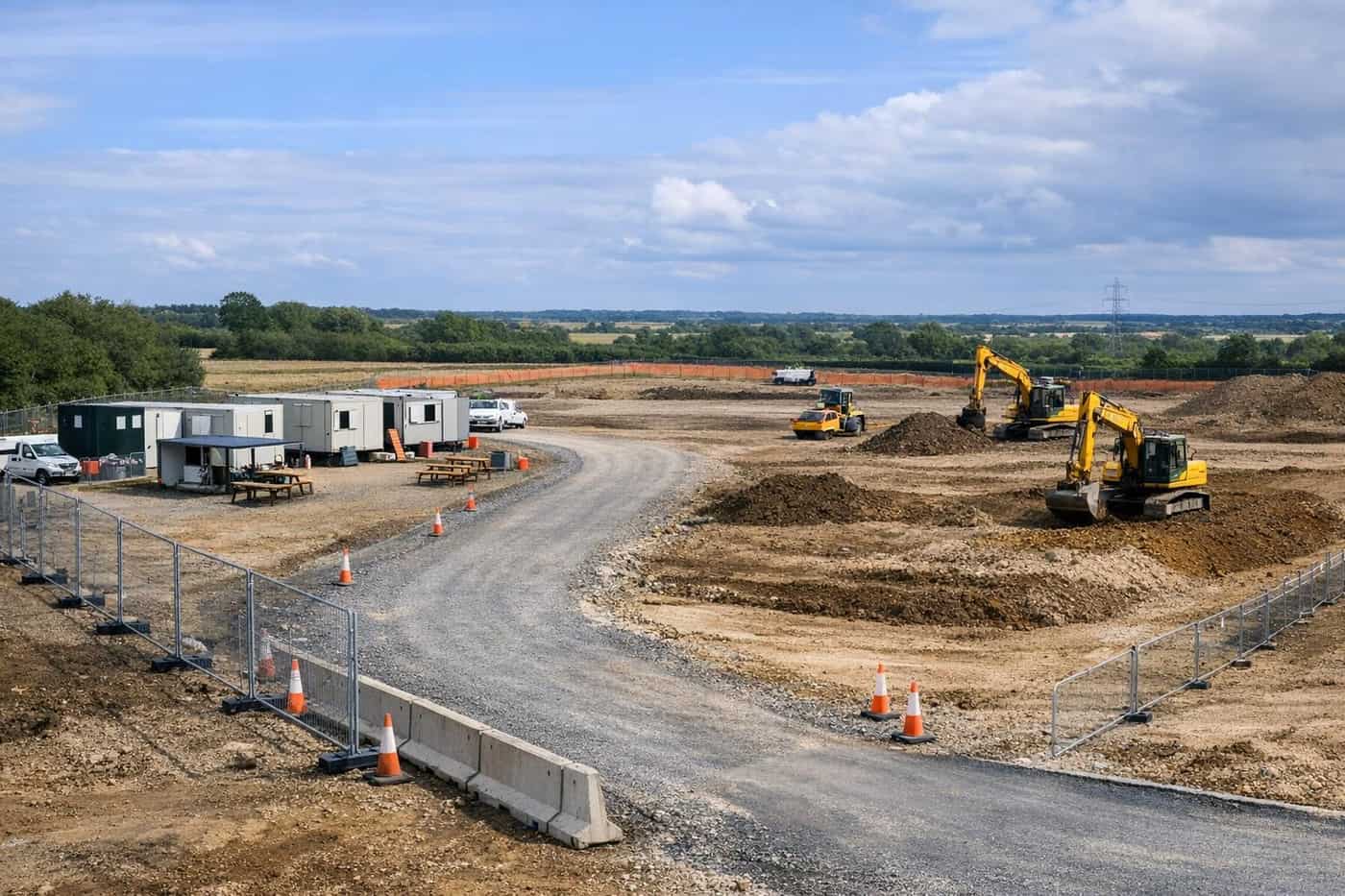
In commercial terms, foundation strategy is a cost and programme decision as much as a structural one. The earlier the ground risk is known, the easier it is to select the right solution and avoid redesign after procurement — coordinate with foundation contractors and site preparation teams.
Foundation options vs typical ground conditions
| Topic | Ground condition | Typical foundation response |
|---|---|---|
| Consistent bearing near surface | Reliable clay, sand or gravel with low variability | Strip or trench fill foundations often viable |
| Weak or compressible soils | Soft layers, loose fill, high settlement risk | Raft, ground improvement or piling |
| Made ground / variable fill | Rubble, debris, inconsistent compaction | Proofing, removal, deeper bearing or CFA piling |
| High groundwater | Wet excavations, unstable trenches, basement risk | Dewatering, revised drainage, specialist temporary works |
| Contamination | Brownfield or industrial legacy | Remediation, controlled excavation, validated reuse strategy |
Consistent bearing near surface
- Ground condition
- Reliable clay, sand or gravel with low variability
- Typical foundation response
- Strip or trench fill foundations often viable
Weak or compressible soils
- Ground condition
- Soft layers, loose fill, high settlement risk
- Typical foundation response
- Raft, ground improvement or piling
Made ground / variable fill
- Ground condition
- Rubble, debris, inconsistent compaction
- Typical foundation response
- Proofing, removal, deeper bearing or CFA piling
High groundwater
- Ground condition
- Wet excavations, unstable trenches, basement risk
- Typical foundation response
- Dewatering, revised drainage, specialist temporary works
Contamination
- Ground condition
- Brownfield or industrial legacy
- Typical foundation response
- Remediation, controlled excavation, validated reuse strategy
Ground And Utilities
Utility clashes are a common issue on development sites because previous services are often poorly recorded, abandoned lines may still be present, and historic site use can leave hidden infrastructure beneath the proposed works. Unknown services can stop excavation, force redesign, and create a safety issue as well as a commercial one.
If services need diverting, the project may need extra lead time, additional permits, and more interface management with utility providers. That can affect both the programme and the tender, especially where the works are on the critical path for roads, drainage, or foundation installation.
This is why ground conditions should be considered alongside utilities rather than as separate topics. A site that is otherwise workable can still become difficult if the service corridors conflict with foundations, swales, attenuation, or road structures.
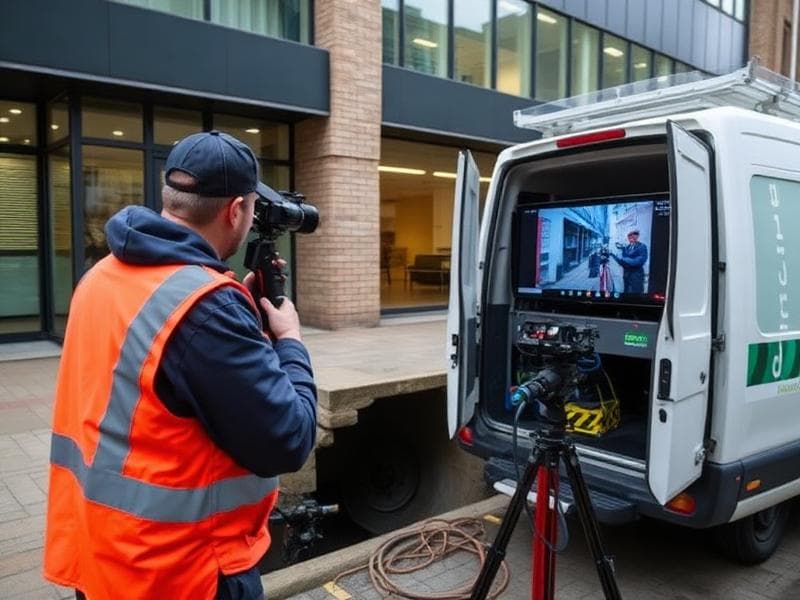
See utility diversions for development sites for programme, statutory undertaker and commercial risk on live schemes.
Roads And Sewers
Ground conditions are central to road formation because the subgrade has to support construction and long-term traffic loads. If the subgrade is weak, wet, or contaminated, the road build-up may need redesign, stabilisation, geotextiles, excavation, or imported materials.
Sewer installation is similarly sensitive because pipelines need consistent formation, correct falls, stable trenches, and manageable groundwater. If the ground is too soft or too wet, trench support, dewatering, or alternative installation methods may be required.
For adoptable roads and drainage, the implications are wider because the design must meet both technical and approval standards. Poor ground can slow adoption, increase testing, and create more back-and-forth with highway and drainage bodies — see adoptable roads explained and S38 & S104 programme.
Integrated roads and sewers and commercial drainage contractors packages reduce disputes when wet and dry infrastructure share the same ground model.
NEC And JCT
Ground conditions are not just a technical issue; they are a contractual one. Under NEC, encountering unforeseen physical conditions can be a compensation event if the conditions were so unlikely that an experienced contractor would not reasonably have allowed for them.
That sounds helpful, but the test is high and disputes often turn on what information was available and what a reasonable contractor should have foreseen. Under JCT, the standard position is generally less contractor-friendly because site condition risk is not expressly shifted in the same way, so the allocation often sits with the contractor unless the contract says otherwise.
For developers, the message is straightforward: if the ground risk is poorly defined before tender, the contract will not make it disappear. It will only determine how the pain is shared when the unknowns become real.
How NEC and JCT typically treat ground risk
| Topic | NEC | JCT |
|---|---|---|
| Unforeseen physical conditions | May be compensation event if conditions were unlikely and not priced | Often contractor risk unless contract expressly shifts it |
| Information at tender | High bar on what an experienced contractor should have allowed for | Disputes often turn on tender assumptions and exclusions |
| Commercial takeaway | Structured notices and programme updates under compensation events | Weak GI before tender rarely helps the employer at final account |
Unforeseen physical conditions
- NEC
- May be compensation event if conditions were unlikely and not priced
- JCT
- Often contractor risk unless contract expressly shifts it
Information at tender
- NEC
- High bar on what an experienced contractor should have allowed for
- JCT
- Disputes often turn on tender assumptions and exclusions
Commercial takeaway
- NEC
- Structured notices and programme updates under compensation events
- JCT
- Weak GI before tender rarely helps the employer at final account
Read the full comparison in NEC vs JCT for groundworks projects and align investigation scope with infrastructure bonds where adoption security depends on completed works.
Cost Impact
Ground conditions affect excavation cost first because harder digging, deeper dig, more support, and more spoil all increase labour, plant, and time. If the ground is mixed or contaminated, the cost of handling, testing, segregation, and disposal can rise quickly.
Import materials also matter because poor or removed ground may need replacement with engineered fill, selected granular fill, or specialist materials. That is not just a supply cost; it also affects haulage, compaction, testing, and programme.
Piling can change the cost profile dramatically because the project moves from standard earthworks to specialist subcontract works with design input, testing, and potential access constraints. Drainage redesign and temporary works can add more hidden cost because they often appear after the ground investigation has already exposed the problem.
For commercial teams, the real issue is not only the size of the cost uplift but the uncertainty around it. Uncertainty leads to bigger contingencies, weaker tender comparisons, and more negotiation time — use the groundworks pricing calculator for indicative budgeting tools.
Commercial Implications
Housing Projects
On housing sites, ground conditions influence plot delivery, sequencing, and warranty compliance. If conditions vary around the site, one plot may need a different foundation detail from the next, which complicates the build sequence and increases the risk of hold-ups during superstructure works.
NHBC guidance continues to emphasise that foundations must be justified using appropriate site information, especially where the ground is variable or where brownfield conditions are present. That means the investigation has to be good enough not only for engineering, but also for warranty sign-off and plot-by-plot delivery.
For housebuilders, this is why early investigation and clear interpretative reporting matter so much. A small change in foundation depth or bearing assumptions can scale into a large cost impact across a multi-plot scheme — see groundworks for housebuilders.
Related project scenarios
Brownfield housing development
Challenge: Variable made ground and contamination risk.
Outcome: Investigation identified issues early and avoided major redesign.
Commercial warehouse development
Challenge: Weak bearing strata requiring foundation redesign.
Outcome: Early piling strategy avoided programme delay.
Mixed-use regeneration site
Challenge: Utilities, contamination and buried obstructions.
Outcome: Integrated investigation reduced tender risk and improved cost certainty.
Commercial Projects
Commercial developments often involve larger slabs, heavier structural loads, bigger service yards, and more complex drainage and foundation interfaces. That makes ground conditions especially important because the ground has to support higher loads and more demanding construction tolerances.
A commercial site with poor ground can quickly become a specialist project. The need for piles, thicker slabs, ground improvement, or contamination controls can affect the full design team, not just the groundworks package.
These schemes also tend to have tighter programme pressure because downstream fit-out, tenant occupation, and funding milestones all depend on getting the enabling works right. A delay in groundworks can ripple through the entire delivery chain.
Programme Sequence
A realistic ground risk programme starts before land purchase, not after planning. A land buyer should first review available reports, history, and obvious red flags, then commission enough investigation to support both viability and design strategy.
After the desk study, intrusive investigation follows, usually with trial pits, boreholes, and testing targeted to the likely risks. Once results are available, the design team can confirm foundations, drainage, earthworks, contamination actions, and any specialist procurement packages.
Tender should come after the ground picture is understood well enough to price the work properly. If tender happens too early, the market will either load risk into the price or exclude key elements, and the project may pay for that later through claims and variations.
Construction should then follow the logic established by the investigation and design, with any residual uncertainty managed through inspections, hold points, and any further testing needed as the site opens up. This is especially important on brownfield land, where the first excavation often reveals what the desk study could only predict.
Before Buying Land
Before buying land, developers should ask for the following:
Existing ground investigation reports and interpretative summaries.
Historical site use and any evidence of demolition, infill, tipping, or industrial activity.
Contamination reports, remediation records, and validation evidence.
Utility records, scans, and any known diversion issues.
Groundwater, drainage, and flood-related information.
Adjacent land risks, including basements, retaining walls, slope stability, and made ground migration.
Any planning conditions that refer to land quality, piling, contamination, or remediation.
The commercial question is simple: what is known, what is assumed, and what could still change the design or price after acquisition? If that answer is unclear, the land price should reflect the uncertainty rather than the hope that the site will behave itself.
Procurement Considerations
Project Examples
Developer Checklist
Related services
Related infrastructure guides
Frequently asked questions
What are ground conditions?
Ground conditions are the soils, rocks, groundwater, and man-made materials below a site that affect how it can be designed and built.
What is made ground?
Made ground is material placed by human activity, often uneven and variable, and it can contain debris, fill, or weak zones.
What is a site investigation?
A site investigation is a package of desk study, intrusive testing, sampling, and laboratory analysis used to understand what is in the ground before design and construction.
When is piling required?
Piling is usually needed when shallow ground is too weak, too variable, or too risky for conventional foundations, or where loads, access, or groundwater conditions make shallow foundations impractical — see piling foundations and foundation contractors.
How much does a ground investigation cost?
Costs vary widely by site size, risk, and scope, but the important point is that a well-scoped investigation usually costs far less than a late redesign, remobilisation, or claim.
Can ground conditions delay planning?
Yes. Planning authorities often want evidence that contamination, groundwater, and other land risks have been assessed and controlled before consent is granted or conditions are discharged.
How do ground conditions affect costs?
They affect excavation, disposal, imports, foundations, drainage, temporary works, specialist subcontract packages, and the amount of risk allowed for in tender.
What causes unexpected ground risk?
The usual causes are incomplete investigation, poor historic records, hidden contamination, buried obstructions, variable made ground, and groundwater conditions that are more difficult than expected.
Why do contractors care about ground risk?
Because ground risk can change methodology, add time, affect productivity, and trigger contractual disputes over who should carry the cost and programme impact.
What is the first step before buying land?
The first step is a desk-based review of the site history, available reports, environmental information, and any obvious risks that could affect viability.
What is the difference between a desk study and a ground investigation?
A desk study reviews existing information, while a ground investigation obtains physical evidence from the site using trial pits, boreholes, sampling, and testing.
How do ground conditions affect drainage?
They affect infiltration, excavation stability, groundwater control, pipe bedding, and whether drainage can be installed safely and economically — see commercial drainage contractors.
Do ground conditions matter on clean sites?
Yes. Even apparently clean sites can have weak soils, groundwater, obstructions, or variable strata that affect foundations and infrastructure.
Why are brownfield sites higher risk?
Because they often have a history of industrial use, demolition, fill, contamination, and buried structures that create more uncertainty and more specialist work.
What should a developer do when reports conflict?
Treat the site as unresolved until the discrepancy is tested and clarified. Conflicting reports usually mean the investigation is not yet deep enough or broad enough for procurement.
What is the main commercial lesson?
The earlier you understand the ground, the easier it is to protect land value, control design changes, and keep the programme and tender aligned with reality.
The best way to manage ground conditions is to reduce uncertainty before procurement, not to react once excavation has started. Early investigation, clear reporting, and a design that reflects the actual site conditions will always be cheaper and safer than carrying unknowns into tender and hoping the contractor absorbs them.
For development sites, the commercial winners are usually the teams that treat the ground as a known project risk to be priced and designed out early, rather than as an issue to be discovered on site. That approach improves viability, tightens procurement, protects programme, and gives the project a much better chance of delivering without avoidable surprises.
Need help assessing ground risk?
Share your site history, investigation scope or infrastructure package and we will advise on investigation strategy, foundation procurement and delivery options.